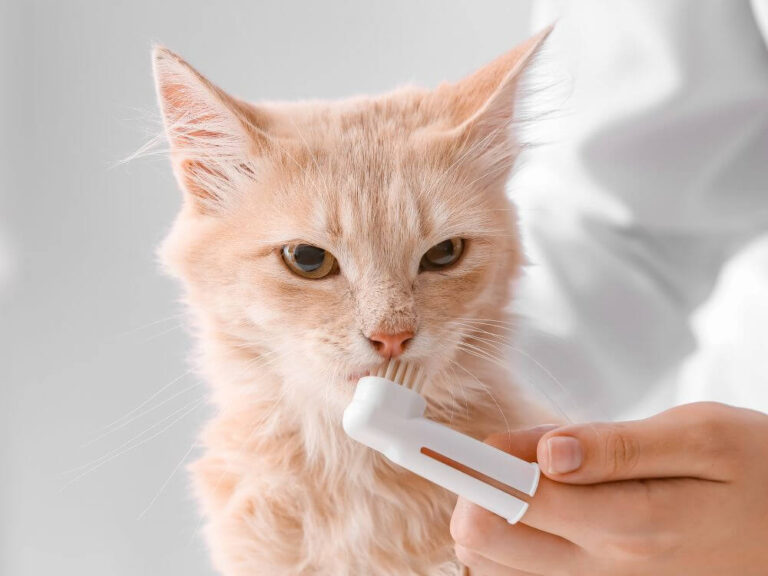
Winter Cat Care: Skin, Coat, and Paw Care Tips
When the temperature drops, most of us focus on our own comfort: thicker socks, warmer blankets, a hot drink within reach. Our cats feel the season too, and often in ways that are easy to miss. Dry indoor air can leave their skin itchy and flaky, a dull or tangled coat can signal that grooming habits need adjusting, and their paw pads face everything from icy sidewalks to road salt to cold, hard floors.
The good news is that winter cat care doesn’t have to be complicated. A few small changes to your routine, your home environment, and your grooming supplies can make a real difference in how your cat feels from December through March. This guide walks you through how to protect your cat’s skin, coat, and paws, which common winter mistakes to avoid, and when it’s time to call your veterinarian. You’ll also find details on a free winter cat care checklist you can download and keep on your fridge.
Why Winter Is Hard on Cats
Cats are often thought of as low-maintenance, self-cleaning animals, and in mild weather that reputation is mostly deserved. Winter changes the equation. Central heating, space heaters, and wood stoves pull moisture out of the air, and indoor humidity can fall well below the 30 to 50 percent range that is generally considered comfortable for people and pets. Low humidity dries out the outer layer of your cat’s skin, which can lead to flaking, itching, and increased shedding.
Cold weather also affects cats’ behavior. Many cats become less active in winter, spend more time curled up in one spot, and groom less thoroughly, especially if they are older, overweight, or dealing with arthritis. Less movement and less grooming mean more tangles, more dander, and more opportunities for small skin problems to go unnoticed.
For cats that spend time outdoors, including pets with supervised patio time, barn cats, and community cats you may be feeding, the stakes are higher. A cat’s normal body temperature runs between about 100.4 and 102.5°F, and prolonged exposure to cold can lead to frostbite on the ears, tail, and paws, or even hypothermia. Understanding these seasonal pressures is the first step toward helping your cat through them.
Winter Skin Care: Fighting Dryness from the Inside Out
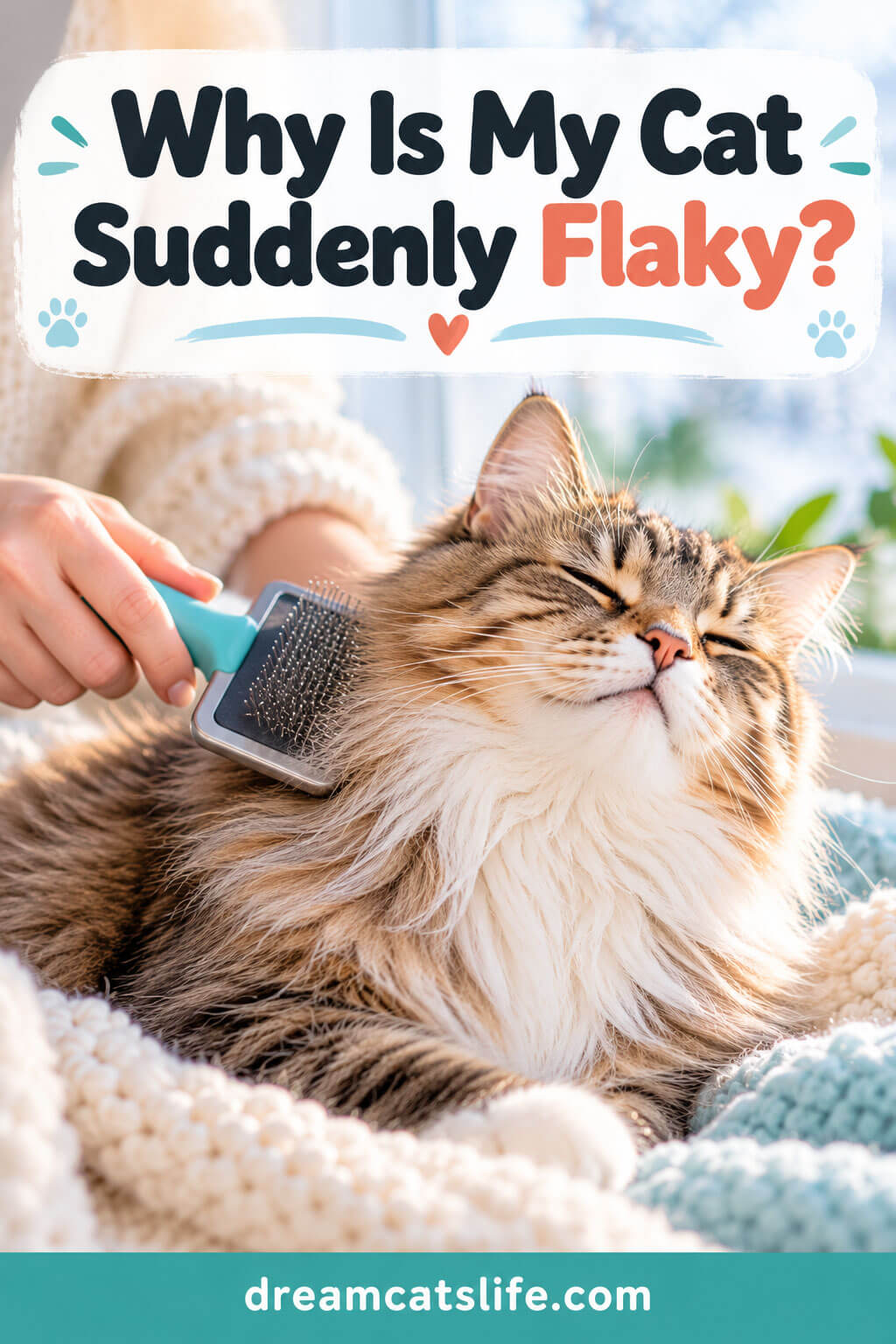
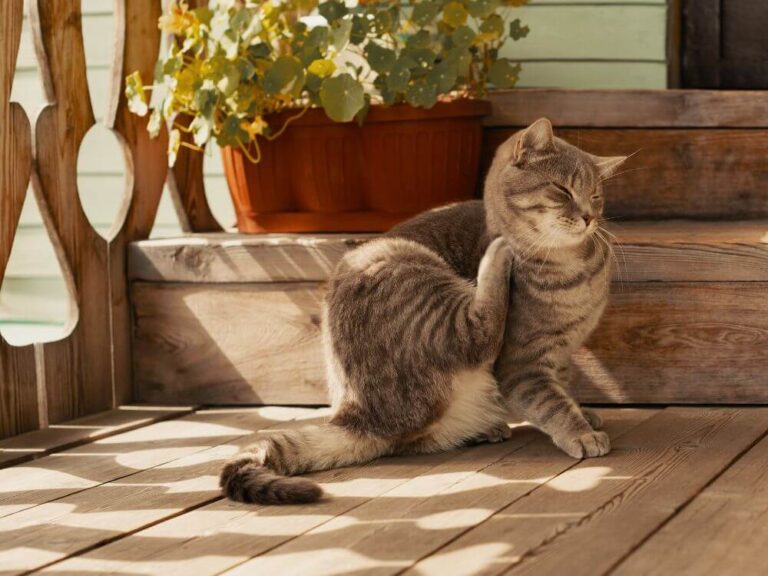
Healthy skin is the foundation of a healthy coat, so it makes sense to start there. Dry winter skin in cats often shows up as fine white flakes along the back and base of the tail, more frequent scratching, or a coat that looks dull even though your cat is eating well. Mild dryness is common and manageable at home, but it helps to know what you’re looking at and when something more serious may be going on.
Add moisture to the air
The simplest and most effective step is to raise the humidity in the rooms where your cat spends the most time. A cool-mist humidifier running in a living room or bedroom can noticeably reduce static, dry skin, and even the scratchy throat you may be dealing with yourself. Choose a cool-mist model rather than a warm-mist one so there’s no risk of burns if your cat investigates it, keep it on a stable surface out of paw’s reach, and clean it regularly according to the manufacturer’s instructions, since a dirty humidifier can spread mold and bacteria. If you’re not sure whether your home is too dry, an inexpensive digital hygrometer will tell you exactly where you stand.
Support skin health through diet
What your cat eats has a direct effect on skin and coat quality. Omega-3 fatty acids, particularly EPA and DHA from fish oil, help support the skin barrier and can reduce inflammation that contributes to itchiness. Many high-quality cat foods already include these nutrients, but if your cat’s skin is consistently dry, ask your veterinarian whether a supplement makes sense. If they give the green light, a fish oil supplement formulated for cats is the safer route, because human products can contain the wrong concentrations or additives. Never start supplements without checking dosage guidance, as too much fish oil can cause digestive upset.
Go easy on baths
It’s tempting to think a bath will fix a flaky coat, but frequent bathing actually strips away the natural oils that protect your cat’s skin, which can make winter dryness worse. Most healthy cats don’t need regular baths at all. If your cat gets into something messy and truly needs one, use a shampoo made specifically for cats, rinse thoroughly, and dry your cat completely with warm (not hot) towels in a draft-free room before letting them out. For minor messes, grooming wipes or a damp washcloth are gentler alternatives that spot-clean without disturbing the skin’s natural balance.
Know when dry skin isn’t just dry skin
Flaking that comes with red patches, scabs, hair loss, a sour smell, or constant scratching is not a simple winter issue. Fleas don’t disappear just because it’s cold, since they thrive in heated homes, and conditions such as allergies, ringworm, mites, and infections can all mimic dry skin. If you notice anything beyond light flaking, schedule a vet visit rather than experimenting with home remedies.
Coat Care: Brushing Matters More in Winter
Many cats grow a slightly denser undercoat as the days shorten, especially those who spend time outdoors. That thicker coat does a wonderful job of trapping warm air against the body, but only when it’s clean, fluffy, and free of mats. A matted coat loses much of its insulating ability, can pull painfully on the skin, and creates warm, damp pockets where irritation and infection can develop.
Build a regular brushing routine
Brushing is the single best thing you can do for your cat’s winter coat. It removes loose hair and dander, redistributes natural oils along the hair shaft, stimulates circulation, and gives you a chance to check for lumps, scabs, or parasites. Short-haired cats benefit from brushing once or twice a week, while long-haired breeds such as Maine Coons, Persians, and Ragdolls do best with a few minutes of brushing every day.
The right tool depends on coat type. A slicker brush works well for medium and long coats, a wide-toothed grooming comb helps you check for tangles close to the skin, and a soft grooming glove is a great starting point for cats who dislike traditional brushes. Keep sessions short and pleasant, offer a treat afterward, and stop before your cat gets irritated so that grooming stays a positive experience.
Pay attention to trouble spots
Mats love to form where friction is highest: behind the ears, under the armpits, along the belly, and around the base of the tail. Check these areas gently with your fingers each time you brush. Small tangles can often be worked out with a comb and a little patience, while tight mats close to the skin should be handled by a groomer or veterinarian, since cutting them out at home with scissors is a common way for cats to get accidentally injured.
Don’t shave your cat for the winter
A shaved or heavily clipped cat loses the natural insulation that keeps them warm, and the hair may not grow back the same way. Unless a veterinarian recommends clipping for a medical reason, leave the coat alone and focus on keeping it clean and well-brushed. Senior cats and those with arthritis may also need a little help reaching spots they can no longer groom, so a gentle daily brush becomes even more valuable as your cat ages.
Paw Care: Protecting Pads from Cold, Salt, and Chemicals
A cat’s paws are remarkable tools, but the pads are surprisingly sensitive. They lack the thick insulation found elsewhere on the body, and in winter they come into contact with a surprising list of hazards.
The danger of ice melt and road salt
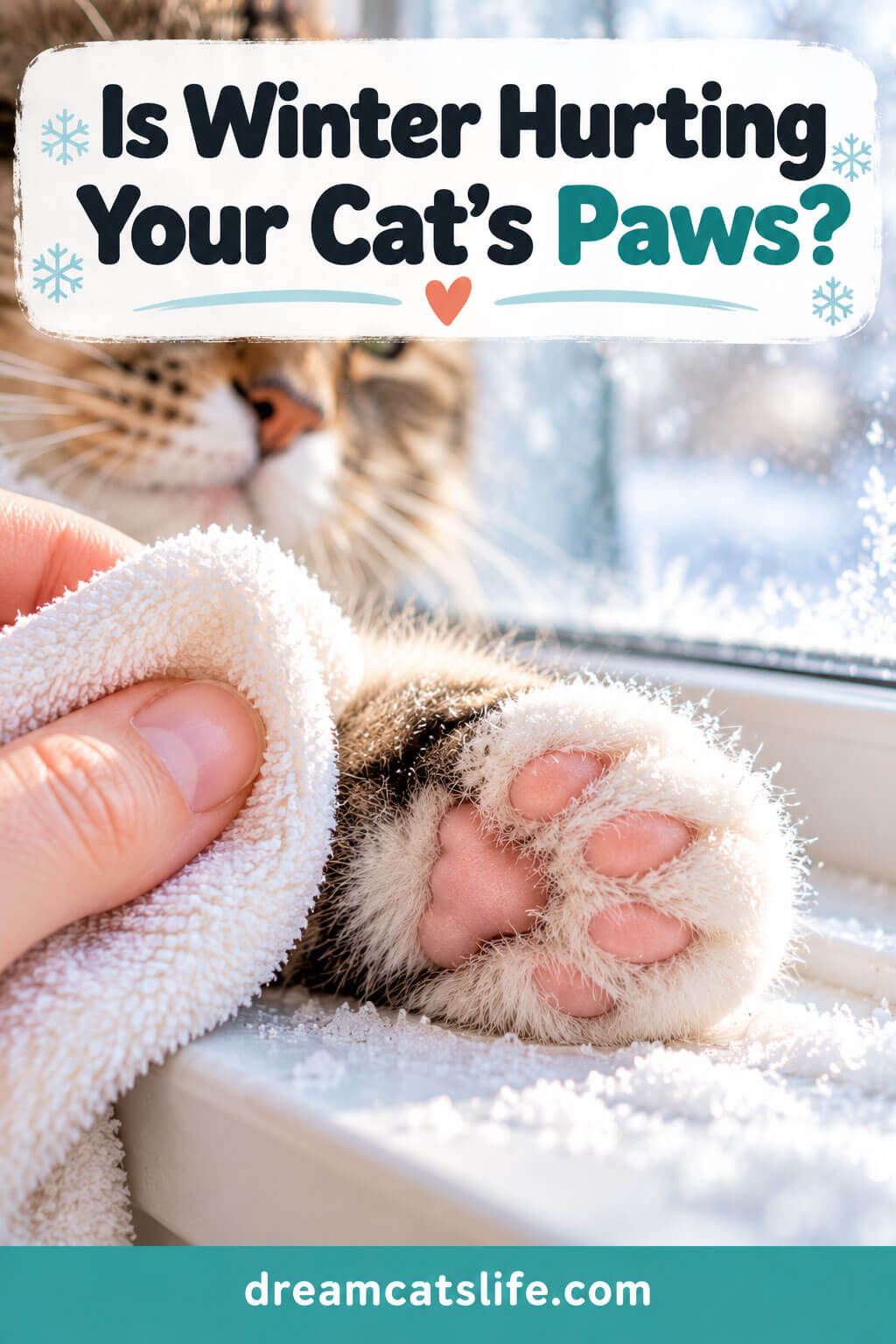
Sidewalk de-icers are one of the biggest winter threats to cats that go outside. Rock salt and many ice-melting products can irritate and crack paw pads, and because cats groom their feet constantly, they swallow whatever clings to them. Ingesting these products can cause drooling, vomiting, and in larger amounts, more serious problems. If your cat has been outside, wipe their paws with a warm, damp cloth or a pet-safe wipe afterward, paying attention to the spaces between the toes. Pet-friendly ice melt is a good idea for your own walkways, though “pet-safe” doesn’t mean a pet can eat it freely, so wiping paws is still worthwhile.
Antifreeze is a winter emergency
Antifreeze containing ethylene glycol tastes sweet to animals and is extremely toxic, and even a small amount can cause kidney failure in cats. Wipe up any garage or driveway spills immediately, store the product securely, and consider switching to a propylene glycol-based formula, which is considerably less hazardous. If you suspect your cat has licked antifreeze, treat it as an emergency and contact your veterinarian or a pet poison hotline right away, because treatment works best when started within hours.
Moisturize and trim
Cracked or rough pads can be soothed with a lick-safe paw balm made for pets. Avoid human hand creams and lotions, since many contain ingredients that aren’t meant to be ingested. Apply a thin layer when your cat is relaxed, and distract them with a treat for a few minutes so the balm has time to absorb.
Nails deserve attention too. Cats who stay indoors more in winter often wear their claws down less, which can lead to overgrown nails that snag on carpet or curl into the pad. Trimming just the tip with a quality pair of cat nail clippers every couple of weeks keeps paws comfortable. Avoid the pink “quick” inside the nail, and if you’re unsure how to start, ask your vet or groomer for a quick demonstration.
Keeping Your Cat Warm and Comfortable at Home
Even in a heated house, cats look for warm spots, and you can make that search safer and easier. A heated cat bed or self-warming pad gives your cat a cozy place to nap without the risks that come with space heaters, radiators, and fireplaces. Look for products designed specifically for pets, with chew-resistant cords and low, regulated heat, and check them regularly for wear. Place beds away from drafts, off cold tile, and, for older cats, somewhere easy to reach without jumping.
Window perches are another favorite, since cats love a sunny winter spot, but keep in mind that glass can be cold in the evening, so a soft blanket or cushion makes these perches more comfortable. Keep an eye on cats near space heaters and fireplaces, since singed whiskers and burned fur are surprisingly common winter injuries.
Senior cats and those with arthritis feel the cold in their joints, so they may need extra support, such as orthopedic bedding, ramps or steps to reach favorite furniture, and litter boxes with low sides. If your older cat seems stiffer or reluctant to move in colder weather, mention it at your next vet visit, because there are effective ways to manage joint pain.
Nutrition and Hydration in Cold Weather
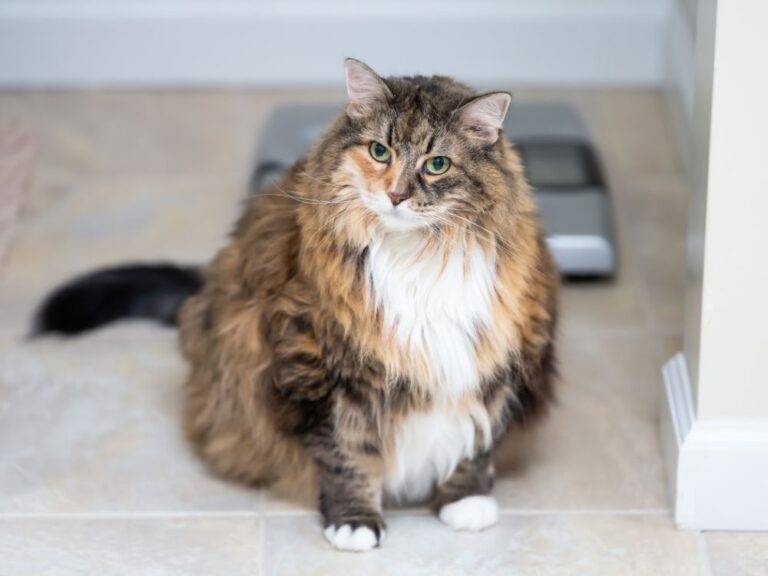
Cats that spend time outdoors burn more calories in winter just trying to stay warm, and they may need slightly more food. Indoor cats, on the other hand, often become less active and can gain weight if portions stay the same. Because every cat is different, ask your veterinarian to help you adjust portions based on your cat’s body condition rather than guessing.
Hydration is just as important, and it’s one of the most overlooked parts of winter cat care. Cats aren’t naturally strong drinkers, and cats eating mostly dry food can quietly become mildly dehydrated when indoor air is dry. Adding wet food to the diet is a simple way to increase water intake, and a cat water fountain can encourage cats who prefer moving water. For outdoor cats, make sure water doesn’t freeze, since a frozen bowl is no help at all; a heated bowl or frequent refills are the best solutions.
Caring for Outdoor and Community Cats
If you feed or shelter outdoor cats, remember that they need a dry, wind-proof shelter with insulation, such as straw (never hay or blankets, which hold moisture), and a small entrance to keep body heat in. Place the shelter off the ground and angle the door away from prevailing winds. Provide fresh food and unfrozen water daily, and give wet food a bit of warming so it doesn’t freeze solid.
One more winter safety habit can save lives: before starting your car, bang on the hood or honk the horn. Cats often crawl into engine compartments or wheel wells seeking warmth, and a few seconds of noise gives them time to escape.
Common Winter Cat Care Mistakes to Avoid

Even well-meaning owners can slip into habits that cause problems when the weather turns. Keep an eye out for these:
- Assuming outdoor cats are fine because they have fur. Fur helps, but wet fur loses its insulating value, and ears, tails, and paws remain vulnerable to frostbite.
- Using human products on paws or skin. Lotions, ointments, and some essential oils can be harmful if licked or absorbed.
- Overbathing to fix dry skin. Bathing often makes dryness worse and strips protective oils.
- Skipping brushing because the coat looks fine. Mats begin close to the skin and can be hard to see until they’ve grown.
- Relying on space heaters or electric blankets made for people. These present burn, fire, and chewing hazards.
- Ignoring changes in drinking or litter box habits. Both can point to dehydration, urinary issues, or pain.
- Forgetting to wipe paws after outdoor time. Salt and chemicals end up ingested during grooming.
When to Call the Veterinarian
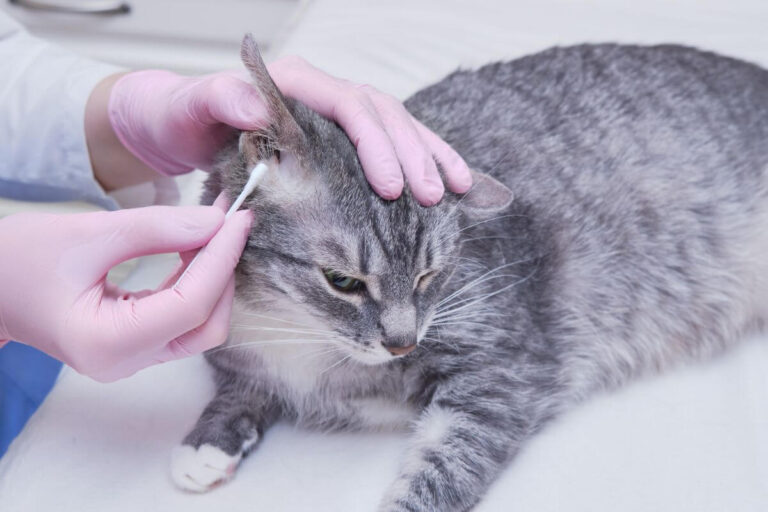
Most winter skin and coat issues are mild, but some situations shouldn’t wait. Contact your vet if you notice persistent scratching, bald patches, open sores, bleeding or swollen paw pads, limping, excessive lethargy, or pale, gray, or blackened skin on the ears, tail, or toes, which can be signs of frostbite. Shivering, weakness, or a very cold body are signs of possible hypothermia and require immediate care. And of course, any suspected contact with antifreeze or ingestion of de-icing products warrants an urgent call.
Your Free Winter Cat Care Checklist
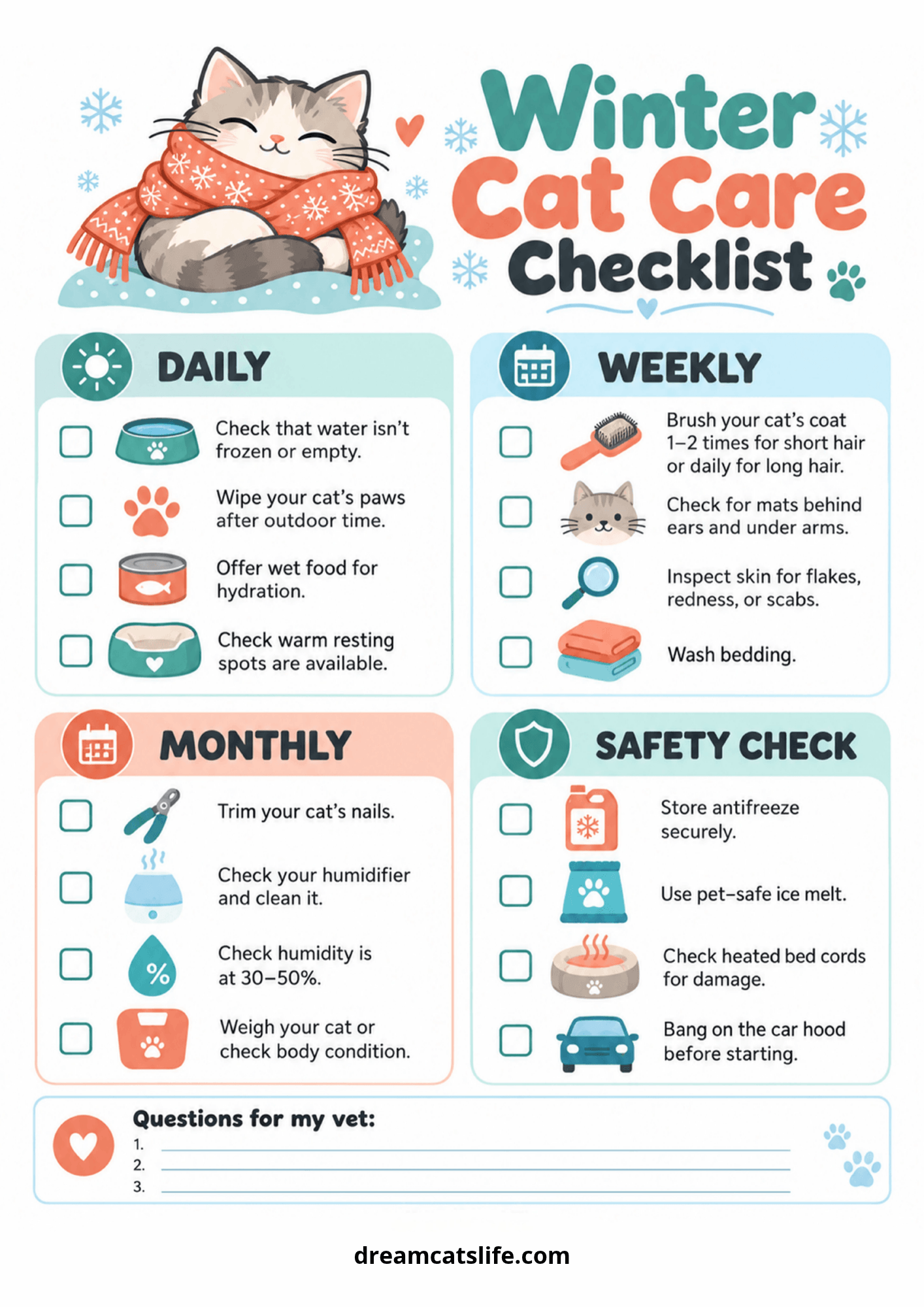
To make all of this easier to put into practice, we’ve created a free, downloadable Winter Cat Care Checklist you can print and keep somewhere handy. It breaks the season into simple daily, weekly, and monthly tasks, from checking humidity levels and brushing your cat’s coat to wiping paws, refreshing water, and trimming nails, with a space to note anything you want to discuss at your next vet visit. It’s a practical way to build healthy habits without having to remember every detail, especially during busy holiday weeks. Download your free checklist below and start the season prepared.
Frequently Asked Questions About Winter Cat Care
Do indoor cats need special care in winter?
Yes, though it’s usually more subtle than for outdoor cats. Dry indoor air, reduced activity, and less thorough grooming can all affect skin, coat, and weight, so adding humidity, brushing regularly, and monitoring portions all help.
How often should I brush my cat in winter?
Short-haired cats do well with brushing once or twice a week, while long-haired cats typically need a few minutes every day to prevent mats.
Is it safe to put lotion or Vaseline on my cat’s paws?
Human lotions aren’t recommended because cats lick their paws and can swallow what you apply. Choose a balm designed for pets, and ask your vet before using any product on broken or bleeding skin.
How cold is too cold for cats?
There isn’t one number that applies to every cat, since age, health, coat, and acclimation all matter. As a general rule, temperatures below about 45°F can be uncomfortable, and freezing conditions are risky for any cat left outdoors for long periods.
Can I give my cat fish oil for dry skin?
Often, yes, but only with your veterinarian’s guidance on product and dosage. Cat-specific omega-3 supplements are the safest option.
Final Thoughts
Winter doesn’t have to mean dry skin, tangled fur, and sore paws for your cat. By adding moisture to your home, brushing consistently, protecting paws from salt and chemicals, and staying alert to changes in behavior or appearance, you can help your cat stay comfortable and healthy until spring returns. Small, consistent habits matter more than big gestures, and your cat will thank you for each one, probably with a warm lap nap and a few contented purrs.