Hidden Cat Litter Box Ideas: Stylish and Functional Solutions
If you share your home with a cat, you know the struggle: the litter box is a non-negotiable necessity, but it’s also one of the least visually appealing objects you’ll ever own. It tends to end up in a bathroom corner, a laundry room alcove, or — worst of all — smack in the middle of a living space where guests can see (and smell) it. The good news? You don’t have to choose between your cat’s comfort and your home’s aesthetics. There’s a whole world of clever, stylish, and surprisingly functional hidden litter box solutions that blend seamlessly into your décor while keeping your feline friend happy. This guide walks you through the best ideas, materials, placement strategies, and tips for maintaining a hidden litter box setup that works for both you and your cat.
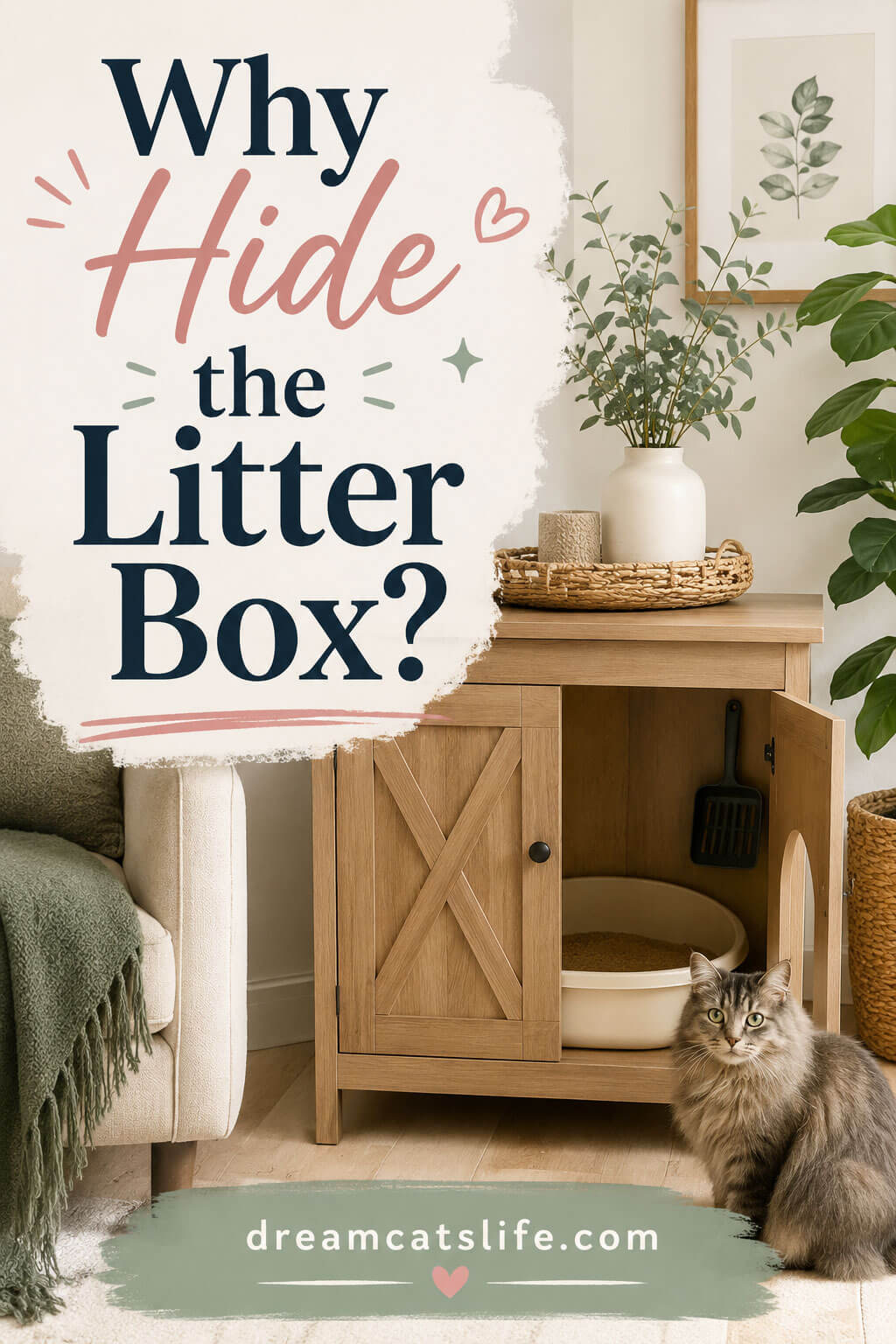
Why Hide the Litter Box?
Before diving into solutions, it’s worth understanding the “why” behind concealing the litter box. It’s not just about vanity.
Odor control. Enclosed or semi-enclosed litter box furniture tends to contain odors more effectively than an open box sitting on a tile floor. Many hidden solutions incorporate ventilation, carbon filters, or both.
Reduced litter tracking. When a cat exits an enclosed litter box, the walls and entryway catch much of the loose litter that would otherwise scatter across your floors.
Visual harmony. A tidy home is easier to relax in. Eliminating the visual clutter of a utilitarian plastic box genuinely improves the feel of a room.
Cat privacy. Many cats actually prefer a degree of privacy when using the litter box. An enclosed setup can reduce stress, particularly in multi-pet households.
Child and dog deterrence. Hidden litter boxes placed in cat-accessible but dog- or toddler-inaccessible spots help prevent the notorious “litter snacking” behavior that dog owners know all too well.
The Most Popular Hidden Litter Box Furniture Ideas
1. Repurposed End Tables and Nightstands
One of the simplest and most budget-friendly approaches is converting an old end table or nightstand into a litter box enclosure. A hollow cube-shaped side table with a door or drawer is ideal. Cut or enlarge an existing opening on one side to serve as the cat’s entry point, place the litter box inside, and you’re done. From the outside, it looks like ordinary bedroom or living room furniture.
What to look for: Tables with at least 18–20 inches of interior clearance in both height and width are best for medium to large cats. If the piece has a shelf, you can use the lower section for the litter box and the upper section as a surface for a lamp or plant.
DIY tip: Use a jigsaw or hole saw to cut a circular or arched entry hole. Sand the edges smooth so your cat won’t snag fur on rough wood, and consider adding a cat door flap for extra odor containment.
2. Litter Box Benches and Storage Ottomans
A bench at the foot of your bed or at the entryway of your home can serve double duty as hidden litter box storage. These benches typically have a lift-top or side-access door and are spacious enough to house even large litter boxes.
This solution works especially well in entryways and mudrooms, where cats often spend time waiting for their owners. It keeps the litter box out of high-traffic living areas while still giving your cat easy, consistent access.
What to look for: Ventilation is key here. Look for benches with slatted sides, or drill a few discreet holes near the top interior to allow airflow. A small battery-powered fan or activated carbon insert can make a significant difference.
3. Bathroom Vanity Cutouts
If you have a pedestal sink or a bathroom cabinet with unused lower space, this is one of the cleanest integrations possible. A cut entry hole in the cabinet door or side panel gives the cat access while keeping the litter box completely out of sight. Since it’s already in a bathroom, smells and cleanup are more manageable.
Pro tip: Line the interior with waterproof material like peel-and-stick vinyl tiles or a rubber mat to make cleaning spills and accidents easier. Add a small stick-up LED light inside so your cat isn’t entering total darkness.
4. Litter Box Planters and Faux Plant Stands
Large decorative planters — the kind used for indoor trees or oversized houseplants — can be repurposed as litter box enclosures. A wide, deep planter with a drainage hole at the bottom (or one you drill yourself) serves as both the entry point and a ventilation source. Place a hooded litter box inside, and surround the base with fake greenery or a real potted plant on top.
This works particularly well in corners of living rooms or bedrooms where a large decorative element wouldn’t look out of place. The organic shapes of planters are visually forgiving, and guests rarely guess what’s hidden inside.
5. Dedicated Litter Box Cabinets and Furniture Units
The furniture market has responded to the demand for stylish pet solutions with a wide range of purpose-built litter box enclosures. These range from minimalist Scandinavian-style cubes to rustic farmhouse cabinets, mid-century modern credenzas, and everything in between.
Purpose-built units often include thoughtful features like:
- Magnetic closures that keep doors shut but allow easy cat access
- Interior lighting so the cat can see
- Carbon filter slots to manage odors
- Removable liners or trays for easy cleaning
- Top surfaces that can be used as shelves, plant stands, or seating
Brands like The Refined Feline, Merry Products, and various Etsy woodworkers offer options across a wide price range. If you’re investing in furniture-quality pieces, expect to spend anywhere from $80 to over $400.
6. Under-Stair Nooks and Built-Ins
If your home has a staircase with unused space beneath it, this is arguably the most elegant hidden litter box solution available. A custom-built cubby or cabinet door integrated into the base of the stairs creates a seamlessly architectural look. The space is naturally tucked away, easy to ventilate, and out of the path of foot traffic.
This is a more significant renovation project, but the result looks intentional and high-end. If you’re already planning a home improvement project, adding a pet niche under the stairs is worth considering.
7. Laundry Room and Utility Closet Integration
Laundry rooms are among the most practical spots for a hidden litter box. The space is usually already set up for ventilation, easy cleaning, and utility — and it’s naturally separated from living areas. Installing a pet door in the laundry room door allows your cat to come and go freely while keeping the room closed to everyone else.
A simple shelf or cabinet inside the laundry room can give the litter box a permanent, organized home. Stackable storage above it keeps the room looking tidy rather than chaotic.
8. Bookshelf Integrations
A bookshelf with a concealed lower section is another clever option for living rooms and home offices. The lower compartment houses the litter box, while the upper shelves display books, decorative objects, or plants. The entry hole can be cut into one side of the lower section and disguised with a small curtain panel, a swinging wooden door, or even a strategically placed stack of oversized books.
This solution keeps the litter box at floor level, accessible for your cat, while making it look like a deliberate design choice rather than a concession to pet ownership.
Best Hidden Litter Box Type by Need
| Hidden Type | Small Space | Odor Control | Large Cats | DIY | Style |
|---|---|---|---|---|---|
| Cabinet | ⭐⭐⭐⭐ | ⭐⭐⭐⭐⭐ | ⭐⭐⭐⭐ | ⭐ | ⭐⭐⭐⭐⭐ |
| Bench | ⭐⭐⭐ | ⭐⭐⭐⭐ | ⭐⭐⭐⭐⭐ | ⭐⭐ | ⭐⭐⭐⭐ |
| IKEA Hack | ⭐⭐⭐⭐⭐ | ⭐⭐⭐ | ⭐⭐⭐ | ⭐⭐⭐⭐⭐ | ⭐⭐⭐⭐ |
| Side Table | ⭐⭐⭐⭐⭐ | ⭐⭐⭐ | ⭐⭐ | ⭐⭐ | ⭐⭐⭐⭐⭐ |
| Closet | ⭐⭐⭐ | ⭐⭐⭐⭐⭐ | ⭐⭐⭐⭐⭐ | ⭐⭐⭐ | ⭐⭐⭐ |
Choosing the Right Litter for a Hidden Setup
The type of litter you use matters even more when the box is enclosed or concealed. Here’s what works best:
Clumping clay litter remains the most popular option. It controls odors well and is easy to scoop. The downside is that it can be dusty, which is less than ideal in an enclosed space where your cat’s face is close to the litter surface.
Low-dust or dust-free formulas are preferable for enclosed setups. Brands specifically marketed as “99% dust-free” are worth the extra cost for the air quality inside the enclosure.
Crystal or silica gel litter absorbs moisture and neutralizes odors exceptionally well. It doesn’t clump, but many cats and owners find it a good fit for enclosed furniture because of its superior odor control and minimal tracking.
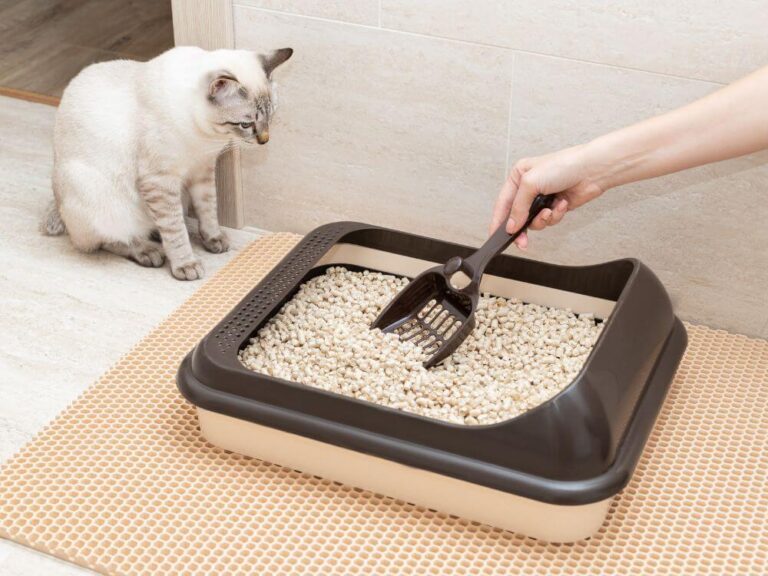
Pellet litters (wood, paper, or corn-based) are low-tracking and low-dust but require a special sifting box. They’re a good eco-friendly option if you’re using a self-contained unit.
Ventilation: The Make-or-Break Factor
The single biggest challenge with any hidden litter box solution is airflow. A well-ventilated enclosure keeps odors manageable, makes the space more comfortable for your cat, and prevents moisture buildup that can lead to mold or ammonia concentration.
Passive ventilation involves drilling holes or adding slatted panels to the enclosure. This works well for moderate use and regular cleaning schedules.
Activated carbon inserts are inexpensive, widely available, and can be placed inside almost any enclosure. They absorb odor molecules and can last several weeks before needing replacement.
USB or battery-powered fans can be installed to draw air out of the enclosure and push it through a carbon filter before releasing it into the room. This is the most effective option and is especially worthwhile in smaller rooms or warm climates.
Placement Strategy: Where to Put a Hidden Litter Box
Location matters for both your cat and your home. Keep these principles in mind:
Cats prefer quiet, low-traffic areas. Avoid placing litter boxes near loud appliances like washing machines or HVAC units. The sudden noise can startle a cat mid-use and create negative associations with the box.
Accessibility is non-negotiable. Even if the box is concealed, your cat needs to be able to reach it without obstacles. Don’t hide the box in a closet behind a tangle of storage, or behind a door that frequently gets left closed.
Multiple cats need multiple boxes. The general rule is one litter box per cat, plus one extra. If you have two cats and one concealed litter box, you’ll still need at least one more — hidden or otherwise.
Senior cats need easy entry. Older cats with arthritis or mobility issues may struggle with small entry holes or raised thresholds. Make sure any entry point is wide and low enough for them to enter comfortably.

DIY vs. Pre-Made: Which Is Right for You?
DIY solutions offer maximum customization, lower costs, and the satisfaction of building something yourself. They’re ideal if you have a specific space or aesthetic in mind and are comfortable with basic tools. The main risk is underestimating the work involved — a sloppy build with rough edges or poor ventilation can deter your cat from using the box at all.
Pre-made furniture is easier to set up, often comes with thoughtful details built in, and looks polished. The downside is cost, and you may not find the exact size or finish that works for your space.
The hybrid approach — buying a secondhand piece of furniture and modifying it — is often the sweet spot. Thrift stores, Facebook Marketplace, and Craigslist are full of solid wood side tables, cabinets, and benches at a fraction of retail price. A can of spray paint and an afternoon with a jigsaw can transform a $20 find into a custom piece that looks intentional.
Maintenance Tips for Hidden Litter Box Setups
A hidden litter box only works if it stays clean. Neglecting cleaning in an enclosed space amplifies odors and can discourage your cat from using the box.
- Scoop daily. This is true for any litter box, but especially important in enclosed spaces where odors concentrate.
- Do a full clean weekly. Remove all litter, wash the box with mild dish soap and warm water, dry thoroughly before refilling.
- Clean the enclosure itself monthly. Wipe down the interior walls, replace carbon filters, and check for any moisture damage.
- Use an enzymatic cleaner for accidents inside the enclosure. Standard cleaners don’t break down the proteins in cat urine that cause persistent odors.
- Monitor your cat’s behavior. If your cat starts avoiding the hidden box or eliminating elsewhere, it may be a sign the space is too small, too dark, too noisy, or not clean enough.
A Note on Cat Acceptance
Not every cat will immediately embrace a new litter box setup, especially an enclosed one. Cats are creatures of habit and can be suspicious of changes to their environment.
Transition gradually. Don’t remove the old box the same day you introduce the new one. Let your cat explore the new enclosure at their own pace, and keep the old box available for a few weeks.
Use familiar litter. Switching litter type at the same time as changing the box setup is asking for trouble. Keep the litter the same during the transition.
Make the entry inviting. Sprinkle a little used litter inside the new enclosure so your cat recognizes it by scent. A few treats placed near the entry can also help positive associations form.
FAQ
Q: Will my cat actually use a hidden litter box?
A: Most cats adapt well to enclosed litter boxes, especially if the space is large enough, well-ventilated, and kept clean. Some cats — particularly anxious ones or those who like to survey their surroundings while using the box — may need extra time to adjust. If your cat consistently refuses a hidden box, try removing the door or flap first to reduce the enclosed feeling.
Q: How big should the litter box enclosure be?
A: As a rule of thumb, the enclosure should be at least 1.5 times the length of your cat from nose to tail base. The cat needs enough room to enter, turn around, dig, and exit comfortably. For a medium-sized cat, an interior space of roughly 22″ x 22″ x 18″ (L x W x H) is a reasonable minimum.
Q: What’s the best way to control odor in a hidden litter box?
A: The most effective combination is: daily scooping, a high-quality clumping or crystal litter, activated carbon inserts inside the enclosure, and a small ventilation fan if possible. Also make sure the enclosure isn’t completely airtight — some air circulation is necessary.
Q: Can I use a self-cleaning litter box inside furniture?
A: Yes, and it’s actually a great combination. Self-cleaning boxes (like the Litter-Robot) handle the scooping for you, which is especially convenient when the box is inside a piece of furniture and less immediately accessible. Just make sure the enclosure is large enough to accommodate the device and that there’s enough clearance for the mechanism to operate.
Q: Is it safe to put a hidden litter box in a bedroom?
A: It can be, provided ventilation is good and cleaning is consistent. Many cat owners successfully keep hidden litter boxes in bedrooms, especially in small apartments. The key is using a highly odor-absorbent litter and scooping daily. If you’re a light sleeper, be aware that some cats prefer to use the litter box in the early morning hours.
Q: How do I stop litter from tracking out of a hidden litter box enclosure?
A: Place a litter-catching mat just inside or just outside the entry point. The mat traps loose litter from your cat’s paws before they walk across your floor. Many enclosed furniture pieces also have a small “landing zone” inside the cabinet that catches litter before your cat exits — look for this feature when shopping for pre-made units.
Q: My dog keeps getting into the litter box. Can a hidden setup stop this?
A: Yes — this is one of the best use cases for hidden litter box furniture. Install the enclosure in a location accessible to your cat but not your dog, or choose a unit with an entry hole sized for a cat but too small for your dog. Cat-door flaps also add an extra layer of deterrence. For very determined dogs, placing the enclosure on an elevated surface (if your cat can safely jump up) is the most foolproof solution.
Q: Are there hidden litter box options for large or extra-large cats?
A: Absolutely. Look for purpose-built units labeled as suitable for large cats, or opt for a DIY conversion of a large piece of furniture like a wardrobe section, a storage bench, or a wide side table. The Maine Coon community, in particular, has developed a robust set of DIY guides for oversized litter box solutions online.
Final Thoughts
Hiding your cat’s litter box doesn’t require a major renovation or a huge budget — it just requires a little creativity and a willingness to think of the litter box as a design challenge rather than an eyesore. Whether you repurpose a thrift store find, invest in a beautifully crafted piece of pet furniture, or carve out a dedicated nook in your home, the result is a cleaner, more cohesive living space and a happier, more private experience for your cat. The solutions in this guide cover every budget, skill level, and home style — so there’s no reason your litter box can’t be as well-considered as the rest of your décor.