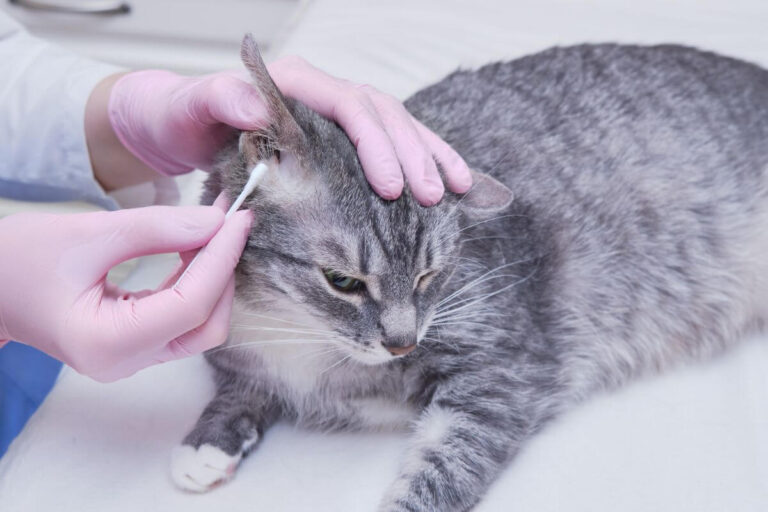
Winter Nutrition for Cats: Do Cats Need More Food During Cold Weather?
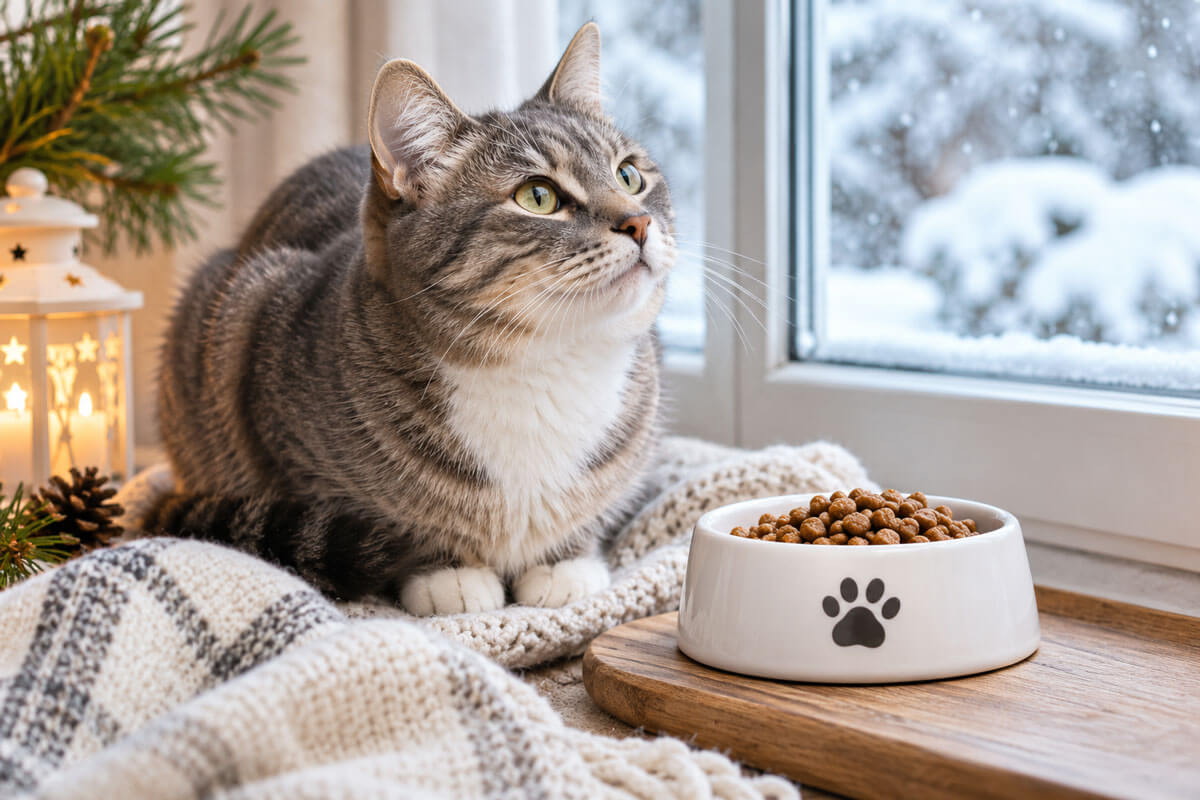
When the temperature drops and the days get shorter, many cat owners notice that their cats seem hungrier, sleepier, or just a little rounder than they were in the fall. That naturally raises a practical question: do cats need more food during cold weather, or is a bigger appetite just a winter habit? The honest answer is that it depends on your cat’s lifestyle, age, health, and how much time she actually spends in the cold.
In this guide, we’ll walk through how winter really affects a cat’s energy needs, which cats benefit from extra calories and which ones don’t, how to adjust meals safely, and which common mistakes to avoid. You’ll also find practical tips for hydration, weight monitoring, outdoor and community cats, and the signs that mean it’s time to call your veterinarian.
Quick answer
Most healthy indoor cats do not need significantly more food in winter, because heated homes keep their body temperature needs stable, and extra calories can lead to weight gain. Outdoor cats, community cats, and some seniors or underweight cats may need more calories and more reliable access to water to stay warm. Always adjust food gradually and check your cat’s body condition rather than guessing.
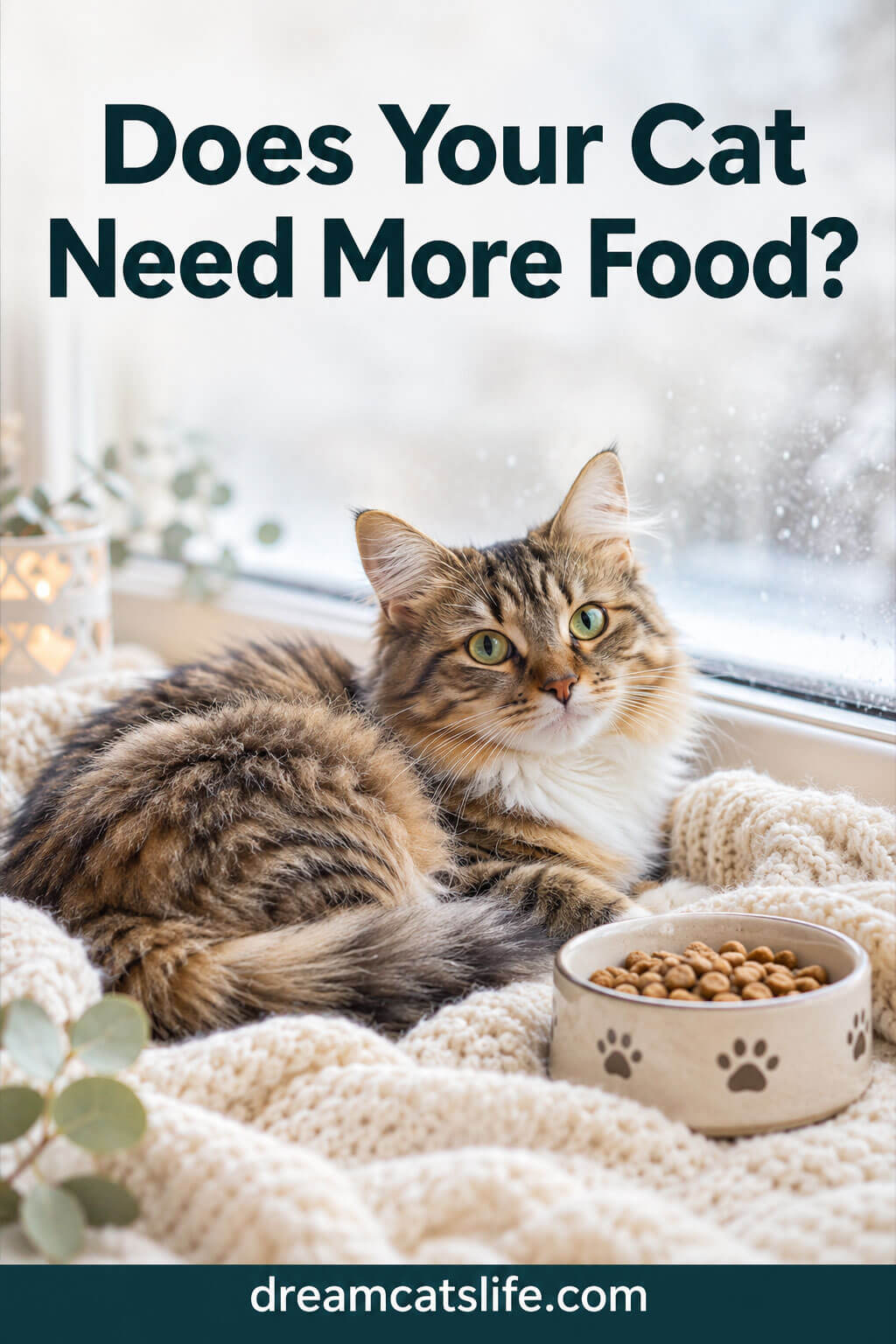
Why Winter Can Change a Cat’s Energy Needs
Cats are warm-blooded animals that burn calories to maintain a steady internal body temperature of roughly 100 to 102.5 degrees Fahrenheit. When the air around them is much colder than that, their bodies work harder to hold on to heat, and that extra work costs energy. This is the biological reason behind the common belief that cats need more food in winter, and for cats that spend real time in the cold, the belief is well founded.
The key detail is that the temperature your cat actually experiences matters more than the season on the calendar. A cat who lives in a 70-degree apartment from November through March is not dealing with winter in any meaningful metabolic sense. Her body doesn’t have to burn extra fuel to stay warm, so her calorie needs stay close to what they were in July. A cat who spends hours outside, sleeps in a garage, or lives in a drafty barn is a different story, because her body is constantly working against the cold.
Cats also have a thin layer of insulation compared with many dogs, and their coats vary widely. A thick-furred Maine Coon or Norwegian Forest Cat handles chilly weather better than a short-haired Siamese or a hairless Sphynx, so breed and coat type play a real role in how winter affects their appetite and energy use.
Do Indoor Cats Need More Food in Winter?
For most indoor cats, the answer is no, or at least not much more. Modern homes are heated, cozy, and far from the conditions a cat’s wild ancestors faced. In fact, many indoor cats become less active in winter because they sleep more, play less, and spend long afternoons curled up on a sunny windowsill or a heated blanket. Less activity means fewer calories burned, and if the food bowl stays just as full, the scale can start creeping upward.
This is one of the most common winter nutrition problems we see with house cats. Owners hear that cats need extra food in cold weather, so they add a little more kibble each day, while the cat is actually moving less than usual. A few extra pieces of kibble might seem harmless, but for a small animal, the numbers add up quickly. Even one extra pound can matter for a cat who normally weighs around ten, because it represents a noticeable percentage of her body weight and can strain her joints and raise her risk of diabetes over time.
When an indoor cat might need a little more
There are some indoor situations where a modest increase may be appropriate. If your home is kept quite cool, for instance if you lower the thermostat significantly while you’re at work or live in an older house with cold floors, your cat may burn slightly more energy. Cats who are naturally lean, very active, or recovering from illness may also need a bit more. The best way to decide is to watch your cat’s body condition over a few weeks rather than assuming her needs have changed.
Which Cats Truly Need More Calories in Cold Weather
Some cats really do benefit from extra nutrition once the temperature falls, and recognizing them can make a big difference in their comfort and health.
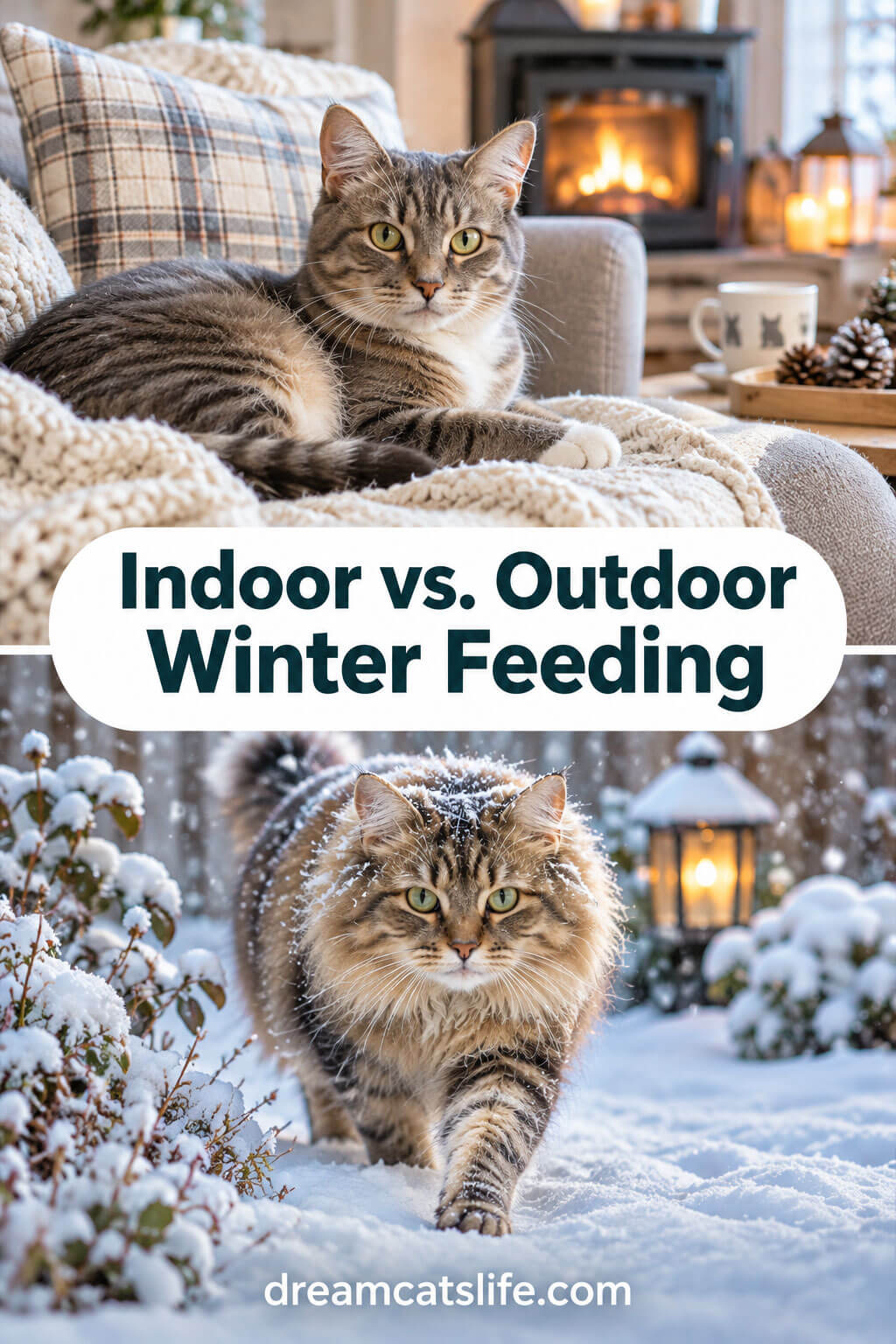
Outdoor and indoor-outdoor cats
Cats who spend significant time outside burn more energy keeping warm, especially when it’s windy, wet, or below freezing. For these cats, a gradual increase in food, particularly in calorie-dense and protein-rich options, helps them maintain body weight and body heat. Many veterinarians suggest that outdoor cats in cold climates may need noticeably more food than they do in summer, but the exact amount varies so much that it’s best to adjust based on body condition and your vet’s advice rather than a fixed formula.
Community, feral, and barn cats
If you care for a colony or feed cats that live outdoors year round, winter feeding is especially important. These cats rely on a steady supply of calories to survive freezing nights. Providing food at consistent times each day, offering insulated shelters, and making sure the food doesn’t freeze can help them cope with severe weather. Wet food freezes quickly, so many caregivers use dry food during very cold spells or serve small portions of wet food that the cats can finish before it hardens.
Senior cats
Older cats often have a harder time staying warm, partly because they tend to lose muscle mass and may have thinner body fat. Arthritis can also make them less eager to move, so they may eat less when it’s cold and stiff. For seniors, the goal is high-quality, easily digestible protein and a food they find appealing. Warm-ish wet food, a soft heated bed, and a quiet feeding spot close to where they sleep can help maintain their appetite.
Kittens, underweight cats, and cats recovering from illness
Growing kittens need plenty of calories year round, but winter can raise the stakes because they have less body fat and lose heat more quickly. Cats who are underweight or recovering from an illness or surgery may also need extra nutrition, though this should always be guided by your veterinarian, since underlying health issues can cause weight loss that no amount of food will fix.
How to Adjust Your Cat’s Food Safely in Winter
If you decide your cat needs a bit more food, the safest approach is to make changes slowly and measure the results. Sudden increases can upset a cat’s stomach, and overcorrecting is easy to do when you’re worried about the cold. A steady, modest approach lets you catch problems early and avoids weight gain that’s hard to reverse.
- Start with your cat’s current feeding amount. Check the feeding guidelines on the label and compare them to what you’re actually giving, since many owners are surprised to find they’re already over or under the recommended amount.
- Increase in small steps. If your cat is outdoors or losing weight, raise her daily food by a small amount every few days, then pause and see how her body responds.
- Check her body condition weekly. You should be able to feel her ribs under a thin layer of fat without seeing them clearly, and she should have a visible waist when viewed from above.
- Weigh her regularly. A baby scale or a digital pet scale for cats makes it easy to track small changes that you wouldn’t spot by eye, especially under a fluffy winter coat.
- Adjust again if needed. If she’s gaining too fast, scale back; if she’s still thin or losing weight, talk to your vet before increasing further.
Pro tip: Long-haired cats can hide weight changes beneath their fur, so run your hands along her ribs and spine every week. Touch tells you more than your eyes when it comes to body condition.
Choosing the Right Food for Cold Weather
Because cats are obligate carnivores, their bodies are built to thrive on animal-based protein and fat. In winter, a complete and balanced diet that’s rich in high-quality protein supports muscle, immune function, and body heat production. Look for foods that are labeled “complete and balanced” for your cat’s life stage, and avoid making major changes without a gradual transition over about a week.
Wet food, dry food, or both?
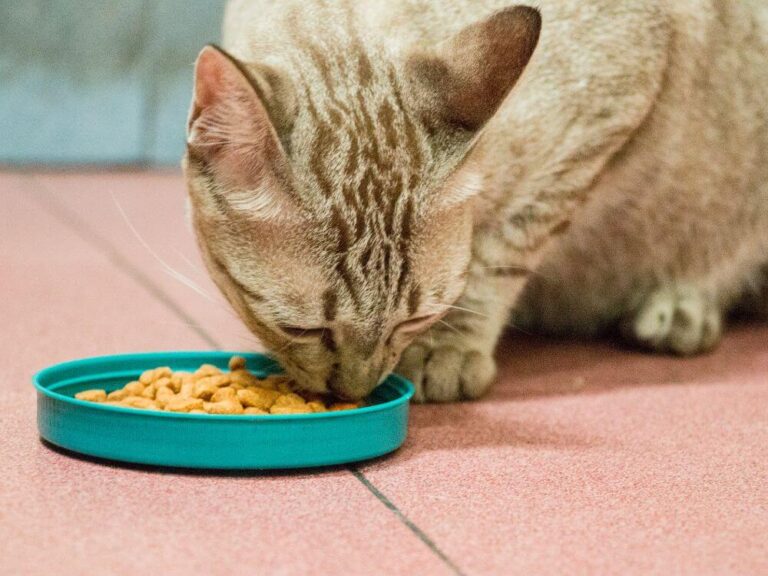
Wet food has a major advantage in winter because it contains a lot of moisture, which helps support kidney and urinary health, especially when cats are drinking less. Dry food is convenient and can sit in the bowl longer, which is useful for outdoor cats whose meals might otherwise freeze. Many owners find that a mix of both gives them the benefits of hydration and convenience. Warming wet food slightly, by stirring in a spoonful of warm water or letting it sit at room temperature, can also make it more aromatic and appealing, which is especially helpful for older cats with a weaker sense of smell. Never serve food that’s hot, and avoid microwaving it unevenly, since hot spots can burn a cat’s mouth.
Hydration: The Winter Nutrition Problem People Forget
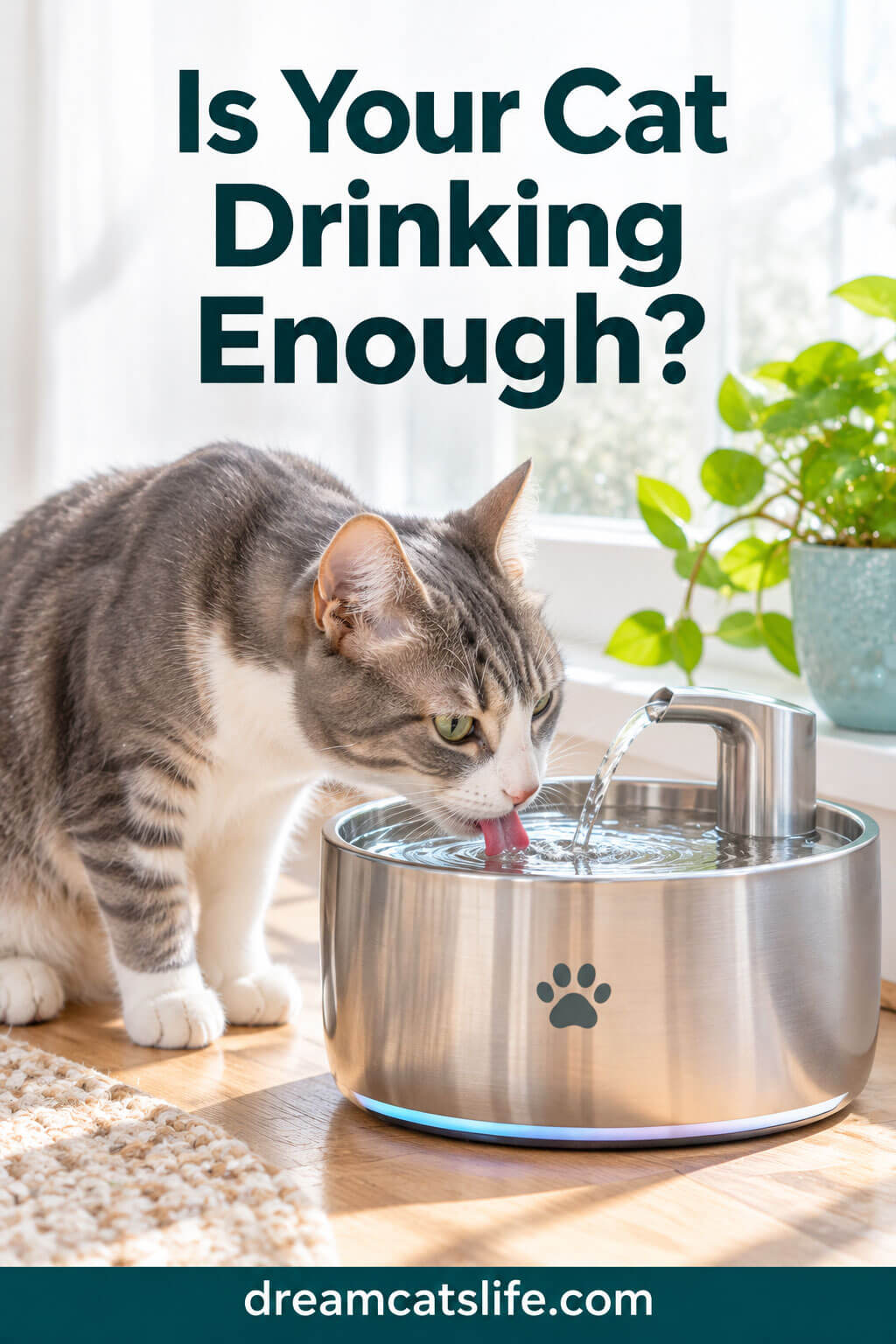
Many owners focus entirely on food in winter and overlook water. Cats have a naturally low thirst drive, and cold weather and dry indoor heating can make the problem worse. Dehydration contributes to urinary tract problems and kidney strain, so keeping your cat well hydrated is just as important as feeding her properly.
Some cats drink more when water is moving and fresh, so a quiet stainless steel cat water fountain can be a helpful addition to your home. Placing several water bowls around the house, keeping them away from the food dish, and cleaning them daily also encourages cats to drink more. For outdoor cats, remember that water bowls can freeze in a matter of hours, so use shallow insulated or heated bowls and check them often.
Common Winter Feeding Mistakes to Avoid
Even well-meaning owners can slip into habits that quietly harm their cats during the colder months. These are the most common mistakes, and avoiding them can help your cat stay healthy until spring.
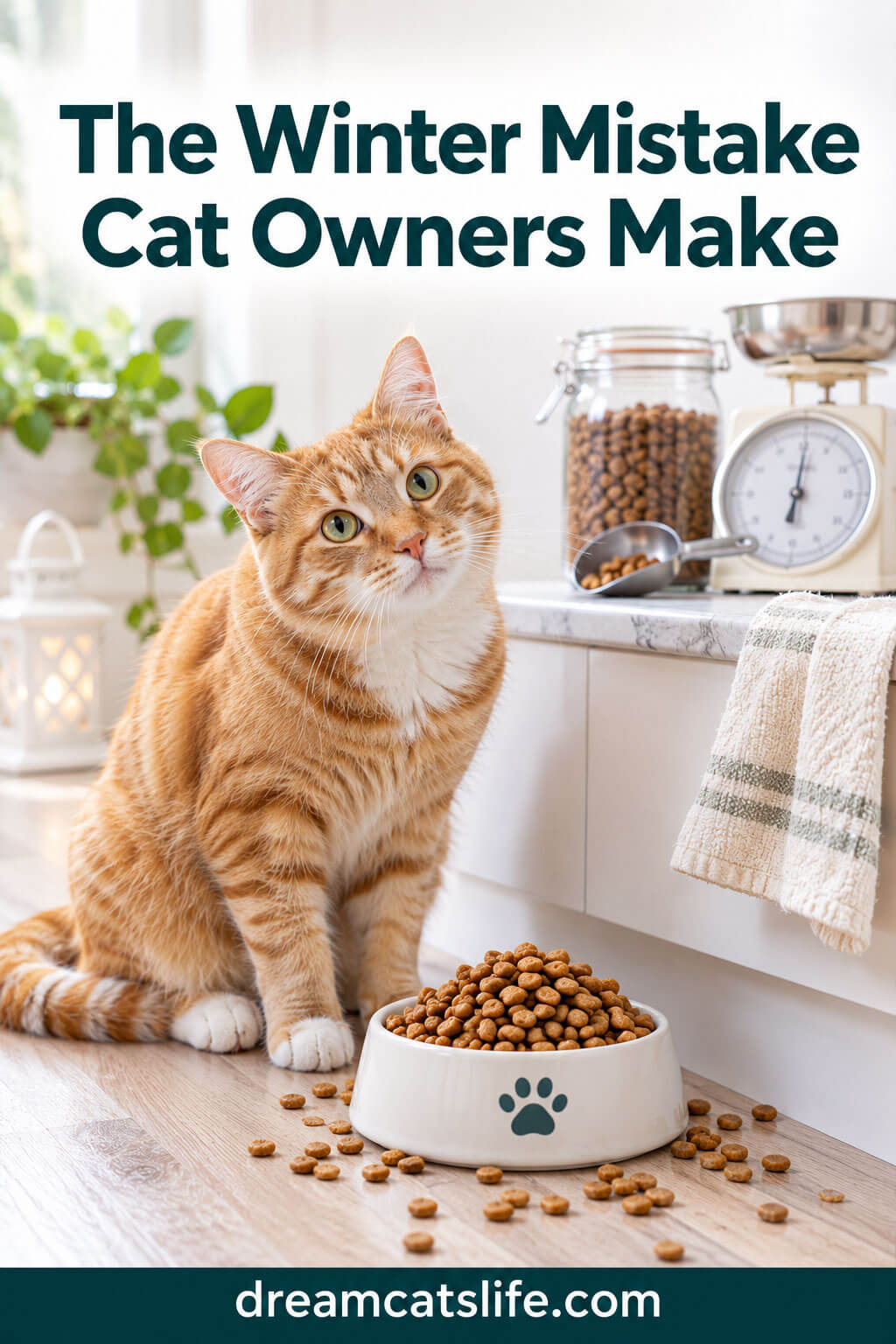
- Increasing food without checking activity levels. A sleepy indoor cat does not need the same extra calories as a cat who spends her days outdoors.
- Leaving food out all day without measuring. Free feeding makes it difficult to notice changes in appetite and easy to overfeed.
- Offering holiday leftovers. Many seasonal foods, including chocolate, onions, garlic, raisins, and cooked bones, can be harmful or toxic to cats.
- Skipping the vet because the weight change seems seasonal. Unexplained weight loss or gain is not just a winter quirk and deserves a checkup.
Keeping Indoor Cats Active and Healthy in Winter
Because indoor cats tend to slow down in cold weather, keeping them mentally and physically engaged helps manage their weight without needing to cut back on meals too dramatically. A few short play sessions each day with a wand toy, a laser pointer followed by a physical treat, or a tossed crinkle ball can burn a surprising amount of energy and strengthen your bond with your cat.
Food puzzles are another useful tool, especially in winter when cats spend more hours indoors. A cat puzzle feeder slows down fast eaters and turns mealtime into a small hunting game, which is both mentally stimulating and good for digestion. Climbing shelves, cat trees, and window perches add to the fun and give your cat a safe way to move around and watch the winter world outside.
Feeding Outdoor and Community Cats in Winter
If you take care of cats that live outside, a few extra steps can make their winter much safer. Offer food at the same time every day so the cats know when to expect it, and place feeding stations in sheltered areas away from wind, rain, and snow. Elevating bowls off the ground and using shallow dishes can help keep food from freezing quickly or getting buried by snow.
Insulated shelters stuffed with straw (not hay or blankets, which hold moisture) give cats a place to rest and conserve energy. Many caregivers also check under car hoods or bang on the hood before starting the engine, since cats often crawl into warm engines for shelter. Finally, antifreeze is extremely toxic to cats even in tiny amounts, and its sweet taste can attract them, so clean up any spills promptly and consider using pet-safer antifreeze products.
Signs Your Cat May Not Be Getting the Right Nutrition
Paying attention to small changes can help you catch winter nutrition problems early. A cat who is eating too little may show weight loss, a dull coat, low energy, or visible ribs and hip bones. A cat who is eating too much may gain weight quickly, lose her waistline, or struggle to groom herself in hard-to-reach spots.
It’s time to contact your veterinarian if you notice any of the following:
- Sudden or steady weight loss, or a weight gain you can’t explain
- A big change in appetite or thirst lasting more than a day or two
- Vomiting, diarrhea, or constipation that persists
- Straining to urinate, frequent trips to the litter box with little output, or blood in the urine, which can be an emergency
- Lethargy, hiding, or cold ears and paws that don’t warm up
Cats are good at hiding discomfort, so a change in eating or drinking habits is often the first clue that something is wrong. When in doubt, it’s always better to call.
Frequently Asked Questions
Do cats eat more in the winter?
Some cats do, especially those who spend time outdoors, because their bodies burn more calories to stay warm. Many indoor cats, on the other hand, eat about the same or only slightly more, and they may become less active, so it’s important to monitor their weight rather than simply responding to a bigger appetite.
How much more should I feed my outdoor cat in winter?
There’s no single number that fits every cat, because it depends on the temperature, wind, coat, age, and health. A safer approach is to increase food gradually while checking body condition, and to ask your veterinarian for guidance based on your cat’s individual situation.
Is it normal for my indoor cat to gain weight in winter?
It’s common, since indoor cats often move less and may beg for food more often during the cold months. Still, gradual weight gain is worth addressing early with measured meals, more play, and, if needed, advice from your vet.
Should I switch to a different cat food for winter?
Most healthy cats don’t need a special winter formula. A high-quality, complete and balanced food suited to your cat’s age and health is usually enough, but outdoor, senior, or underweight cats may benefit from a more calorie-dense option recommended by a vet.
Final Thoughts
So, do cats need more food during cold weather? Sometimes, but not always. Outdoor cats, seniors, kittens, and underweight cats often benefit from extra calories and careful attention to hydration, while most healthy indoor cats do well on their usual diet with a little extra play to keep winter weight at bay. The most reliable guide isn’t the thermometer but your cat herself: her weight, her body condition, her energy level, and her appetite.
By adjusting food gradually, keeping water fresh and accessible, avoiding common feeding mistakes, and checking in with your veterinarian when something seems off, you can help your cat stay comfortable, healthy, and happy all winter long. A little observation and a few thoughtful changes go a long way toward making the cold months cozy for your favorite feline.
This article is for general informational purposes only and is not a substitute for professional veterinary advice. Always consult your veterinarian about your cat’s specific dietary and health needs.