Catnip and Cats: Why Your Feline Friend Goes Wild for It
A complete guide to catnip, the cat plant that turns even the laziest housecat into a rolling, purring, blissed-out ball of joy.
If you’ve ever watched a cat sniff a pouch of dried herbs, roll onto its back, and start purring like a tiny motorboat, you’ve witnessed the magic of catnip firsthand. It’s one of the most fascinating and widely misunderstood plants in the world of pet care. Some cats go absolutely wild for it, others couldn’t care less, and many owners still aren’t sure whether it’s safe, how to use it, or why it works at all.
In this guide, we’ll cover everything you need to know about catnip: what it actually is, why cats love it so much, how to use it safely, what you can make with it at home, whether it’s edible, and which catnip products are worth adding to your cat’s toy box. We’ll also walk through common mistakes to avoid so you can give your cat the best (and safest) experience possible.
What Exactly Is Catnip?
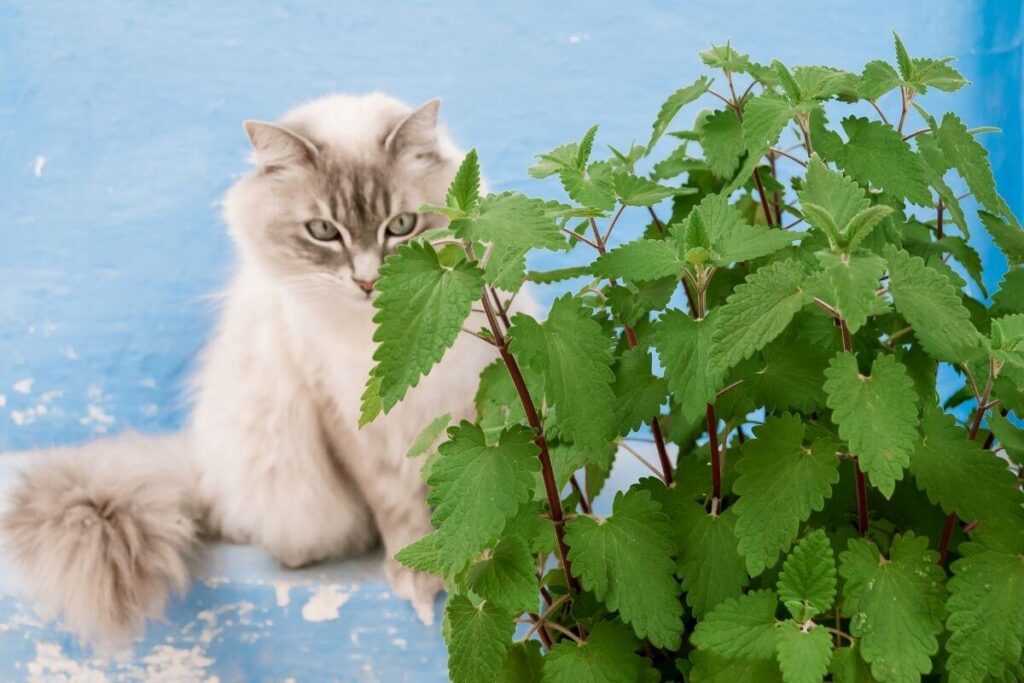
Catnip (scientific name Nepeta cataria) is a perennial herb that belongs to the mint family. It’s native to Europe and Asia but has become naturalized across North America, where it now grows wild along roadsides, in gardens, and in fields. The catnip plant has soft, grayish-green leaves, small purple or white flowers, and a slightly fuzzy texture, much like other members of the mint family such as lemon balm or oregano.
The reason catnip has such a powerful effect on cats comes down to a single chemical compound: nepetalactone. This oil is stored in tiny bulbs on the surface of the leaves, stems, and seed pods of the catnip plant. When the plant is crushed, chewed, or rubbed, nepetalactone is released into the air, and that’s when the show begins.
Interestingly, nepetalactone doesn’t just affect house cats. Big cats like lions, tigers, and leopards can also respond to it, which tells us this reaction is deeply rooted in feline biology rather than being a quirk of domestication.
Why Do Cats Love Catnip So Much?
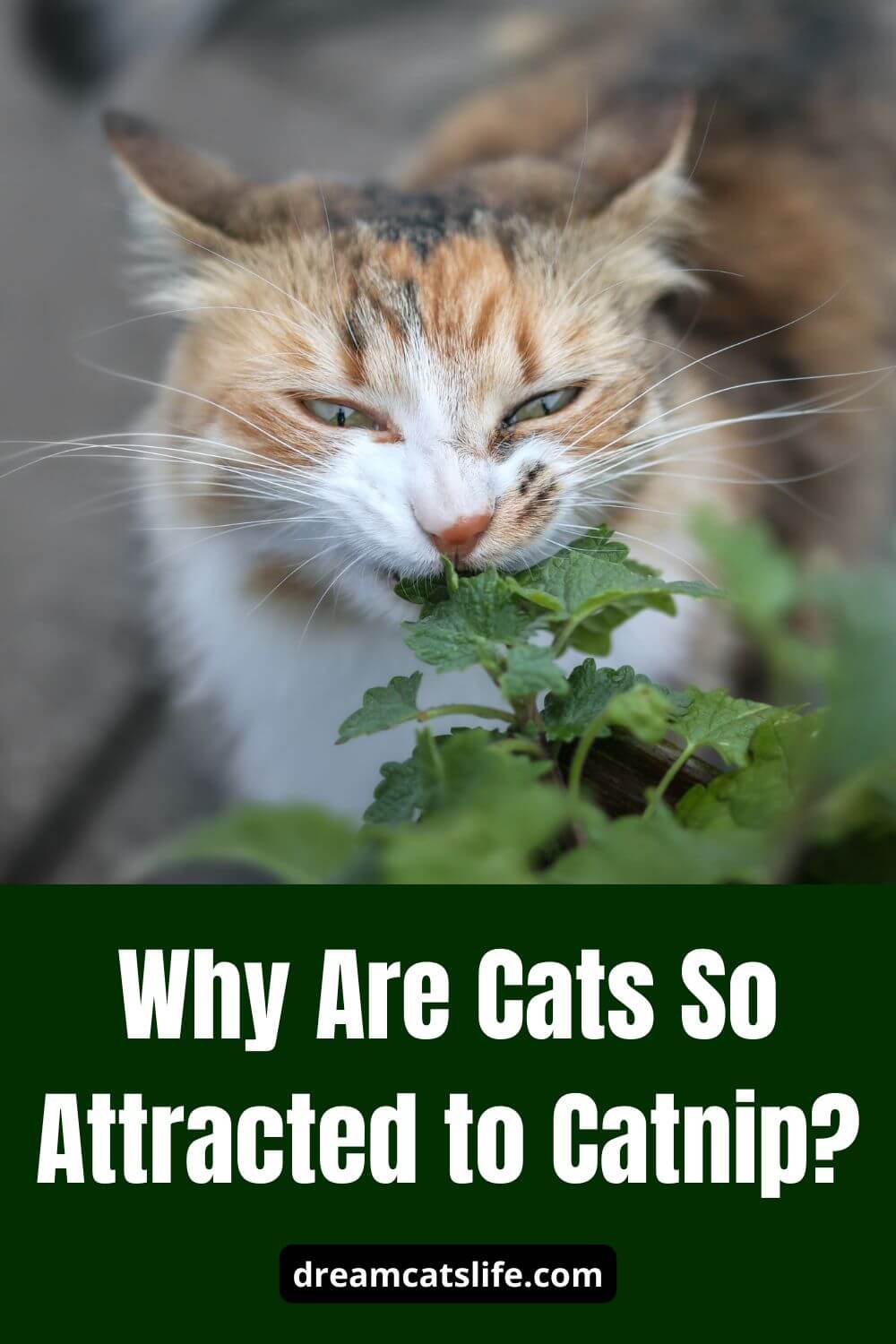
When a cat smells catnip, the nepetalactone binds to receptors inside the cat’s nasal tissue. This triggers a response in the brain’s amygdala and hypothalamus — the same regions involved in emotional and instinctive behavior. Essentially, the scent mimics a cat pheromone, which is why the reaction looks so much like excitement, playfulness, or even mild intoxication.
A typical catnip reaction includes:
- Rolling and rubbing against the source of the scent
- Rubbing the face and cheeks on the plant or toy
- Vocalizing — purring, chirping, or even growling playfully
- Increased energy, jumping, and chasing invisible things
- Drooling in some cats
- Zoning out into a relaxed, mellow state afterward
This “high” typically lasts between five and fifteen minutes, after which the cat becomes temporarily immune to the effect. It usually takes about one to two hours before a cat will respond to catnip again, so there’s no risk of your cat overdosing on a single session.
Not every cat reacts to catnip, though. Sensitivity to nepetalactone is a genetic trait, and research suggests only about 60 to 70 percent of cats inherit the gene that makes them responsive. Kittens under three to six months old also typically don’t respond at all, since the sensitivity tends to develop with age. If your cat seems completely unfazed by catnip, it doesn’t mean anything is wrong — it simply means it drew the “non-responsive” card genetically.
Is Catnip Safe for Cats?
Yes — catnip is completely safe for the vast majority of cats when used in moderation. It’s non-toxic, non-addictive, and there’s no evidence that regular exposure causes any long-term physical or behavioral harm. Veterinarians generally consider it a safe and even beneficial form of enrichment, especially for indoor cats who need extra mental and physical stimulation.
That said, a few cats may experience mild digestive upset if they eat large amounts, and in rare cases a cat might become slightly aggressive or overstimulated during a session. If you notice unusual aggression, it’s best to simply remove the catnip and let your cat calm down in a quiet space.
Is Catnip Edible? Can Cats Eat It?
This is one of the most common questions cat owners ask, and the answer is yes: catnip is edible for cats. In fact, many cats will nibble or chew on fresh catnip leaves in addition to rubbing against them. Eating catnip tends to produce a calmer, more sedative effect, while smelling it usually triggers the more energetic, playful reaction.
Both fresh leaves from a catnip plant and the dried version sold in stores are safe for cats to ingest in small quantities. However, moderation matters — feeding excessive amounts can occasionally cause mild vomiting or diarrhea. A pinch or a small sprig here and there is plenty.
Interestingly, catnip is also technically safe for humans and has a long history of use in herbal teas, where it’s valued for its mild calming properties — quite the opposite effect it has on cats. However, this article focuses on cat use, so if you’re curious about human consumption, it’s worth doing separate research or speaking with a herbalist.
Where Is Catnip Used?
Catnip shows up in far more places than most people realize:
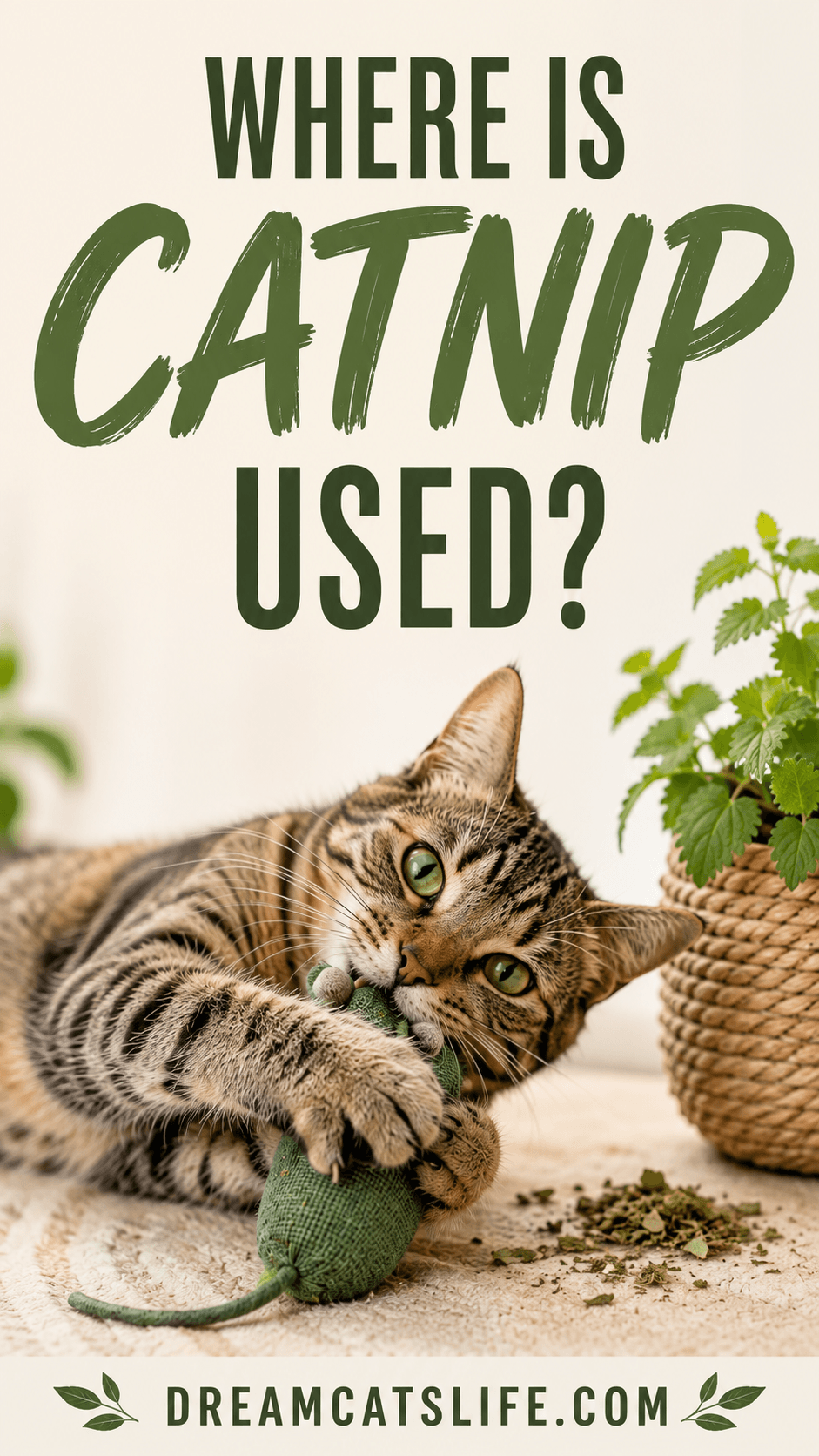
- Cat toys — sprinkled inside or rubbed onto fabric mice, balls, and plush toys
- Scratching posts and cat trees — to encourage cats to scratch approved surfaces instead of furniture
- Training aids — used to lure cats toward a new bed, carrier, or scratching area
- Cat sprays — liquid extracts that can be spritzed onto surfaces for a quick effect
- Gardens — grown outdoors both as a cat-friendly herb and as a natural pest deterrent (it’s known to repel mosquitoes and some garden insects)
- Enrichment activities — hidden around the house or stuffed into puzzle toys for mental stimulation
One of the most practical uses of catnip is helping redirect unwanted behavior. If your cat insists on scratching the couch, rubbing a little catnip onto a scratching post can make it far more appealing than the furniture. Similarly, if you’ve just brought home a new cat tree, bed, or carrier, a light dusting of catnip can help your cat associate the new item with something positive.
Fun and Easy Things You Can Make With Catnip
If you enjoy DIY projects, catnip is one of the easiest ingredients to work with, and homemade toys are often just as effective as store-bought ones. Here are a few ideas:
1. Homemade catnip pouches. Sew a small fabric pouch (felt works great since it holds scent well) and fill it with dried catnip. This is one of the simplest DIY cat toy projects and takes less than ten minutes.
2. Stuffed catnip mice or balls. Use an old sock or a small fabric scrap, stuff it with a mix of polyester filling and dried catnip, and tie it off. Cats love batting these around the house.
3. Catnip-infused scratching posts. Rub fresh or dried catnip directly into the sisal rope or cardboard of a scratching post to make it more enticing.
4. Frozen catnip treats. Mix a small amount of catnip with water or unsalted broth and freeze it in an ice cube tray for a refreshing warm-weather treat.
5. Catnip spray. Steep dried catnip in hot water, let it cool, strain it, and pour the liquid into a spray bottle. This is a great way to refresh old toys or scratching posts once the scent fades.
6. Grow your own catnip plant. Growing a catnip plant indoors or in a garden bed gives your cat direct access to fresh leaves. It’s low-maintenance, drought-tolerant, and thrives in sunny spots. Just be prepared — a live plant may get “attacked” fairly quickly by an enthusiastic cat, so some owners protect it with a small cage or grow it just out of reach for supervised visits.
Best Types of Catnip Products for Cats
Not all catnip products are created equal, and the format you choose can make a real difference in how your cat responds. Here are the most popular options:
Dried loose catnip is the most versatile option. You can sprinkle it on toys, scratching posts, or bedding, or use it to refresh old items. Look for a fresh, potent, organically grown product — quality varies a lot between brands. If you want to browse a wide selection, this dried organic catnip for cats search is a good place to start.
Catnip-filled cat toys are ideal for owners who want a ready-made solution without any DIY effort. Plush mice, balls, and kickers filled with catnip are widely available and tend to be a hit with responsive cats. Browsing a catnip filled cat toy selection can help you find something that fits your cat’s play style, whether they prefer kicking, batting, or carrying toys around.
Catnip spray is convenient for reviving toys and scratching posts once the original scent has worn off. A quick spritz can make an old, ignored toy exciting again. You can explore options through a catnip spray for cats search.
Live catnip plants or growing kits are great for owners who want a renewable source of fresh catnip at home. These kits usually include seeds, soil, and a small pot, and they let your cat interact with a real catnip plant rather than the dried version. A catnip plant growing kit search will show a range of beginner-friendly options.
Catnip bubbles are a fun, lesser-known product — bubble solution infused with catnip scent that cats love to chase and pop. If you want to try something different from the usual toys, a catnip bubbles for cats search is worth a look.
Common Catnip Mistakes to Avoid
Even though catnip is simple to use, there are a few mistakes that can reduce its effectiveness or lead to unnecessary confusion:
Using too much at once. More catnip doesn’t mean more fun. A small pinch is enough to trigger a full reaction. Overloading a toy or space can occasionally overstimulate a cat or lead to mild stomach upset if ingested in excess.
Offering it too frequently. Because cats develop a short-term tolerance, giving catnip constantly throughout the day won’t produce stronger effects — it will just result in a cat who ignores it. Limiting sessions to once or twice a day keeps the response strong and exciting.
Storing it improperly. Catnip loses potency quickly when exposed to air, light, and heat. Always store dried catnip in an airtight container in a cool, dark place — the freezer works particularly well for long-term freshness.
Assuming every cat will react. As mentioned earlier, roughly a third of cats simply don’t carry the gene for catnip sensitivity, and kittens under three to six months typically show no response at all. If your cat isn’t reacting, it’s not a sign of a problem — it might just not be genetically wired for it. In that case, silver vine or valerian root can be worth trying as alternatives, since some cats respond to those even when they don’t respond to catnip.
Buying low-quality or old catnip. Cheap, stale catnip with mostly stems and few leaves will have far less nepetalactone and a much weaker effect. Look for products that are clearly labeled as fresh, potent, and made mostly from leaves and flower buds.
Leaving unsupervised access to a live plant. While a fresh catnip plant is a wonderful enrichment tool, an unsupervised cat may destroy it in a single sitting. If you want the plant to last, consider growing it somewhere your cat can only access with supervision, or keep a second “cat-safe” plant purely for play.
Tips for Getting the Most Out of Catnip
- Rotate toys. Keep a few catnip toys in rotation and swap them out weekly so the scent stays fresh and interesting.
- Combine it with playtime. Use catnip right before an interactive play session to boost your cat’s energy and engagement.
- Refresh old toys. A quick sprinkle of dried catnip or a spritz of catnip spray can bring old, forgotten toys back to life.
- Use it for behavior training. Applying catnip to scratching posts or new furniture pieces can redirect unwanted scratching habits in a positive, stress-free way.
- Watch your cat’s individual response. Some cats get playful, others get mellow — learn your own cat’s pattern so you can use catnip at the right moment, whether that’s for playtime or for calming down during a stressful event like a vet visit or car ride.
Final Thoughts
Catnip is one of the simplest, safest, and most effective ways to enrich your cat’s daily life. Whether you’re using dried catnip sprinkled on a favorite cat toy, growing a fresh catnip plant at home, or making your own DIY pouches and sprays, this humble herb offers a lot of joy for very little effort or cost. Understanding how it works — and how to use it responsibly — means you can turn an ordinary afternoon into an exciting sensory adventure for your cat, all while strengthening the bond between the two of you.
As with any pet product, quality matters, so it’s worth choosing fresh, well-reviewed catnip and observing how your own cat responds before building a regular routine around it. Used thoughtfully, catnip can become a reliable tool for play, training, and everyday enrichment — something most cats, and their owners, come to genuinely look forward to.