The British Longhair Cat: A Regal Feline with a Plush Coat
The British Longhair cat is a breed that exudes elegance and charm, combining the sturdy build of the British Shorthair with a luxuriously thick, plush coat. This breed has won the hearts of cat enthusiasts around the world with its sweet temperament and striking appearance. In this detailed article, we’ll explore the history, physical characteristics, personality traits, grooming needs, and health considerations of the British Longhair. Understanding these aspects will help you appreciate this regal feline even more.
A Glimpse into the History of the British Longhair
The British Longhair cat shares its origins with the British Shorthair, a breed that traces its roots back to domestic cats brought to Britain by Roman invaders. These cats interbred with local feline populations, creating a hardy and robust breed well-suited to the British climate. During the 19th century, cat fanciers began selectively breeding these cats for their distinctive round faces, stocky builds, and dense coats, giving rise to the British Shorthair as we know it today.
The British Longhair emerged when Persian cats were introduced into the breeding program. Breeders sought to enhance the coat quality and add variety to the British Shorthair’s appearance. The result was a cat with all the sturdy qualities of the British Shorthair but with a longer, more luxurious coat. Initially, the British Longhair wasn’t recognized as a separate breed; it was considered a variant of the British Shorthair. However, over time, breeders and cat organizations acknowledged the British Longhair as a distinct breed, appreciated for its unique characteristics.
Physical Characteristics: A Picture of Feline Majesty
The British Longhair is a medium to large-sized cat with a well-proportioned, muscular body. Its robust build and strong bone structure give it a solid, powerful appearance. These cats typically weigh between 8 to 18 pounds, with males being larger and more heavily built than females.
Coat and Color Variations
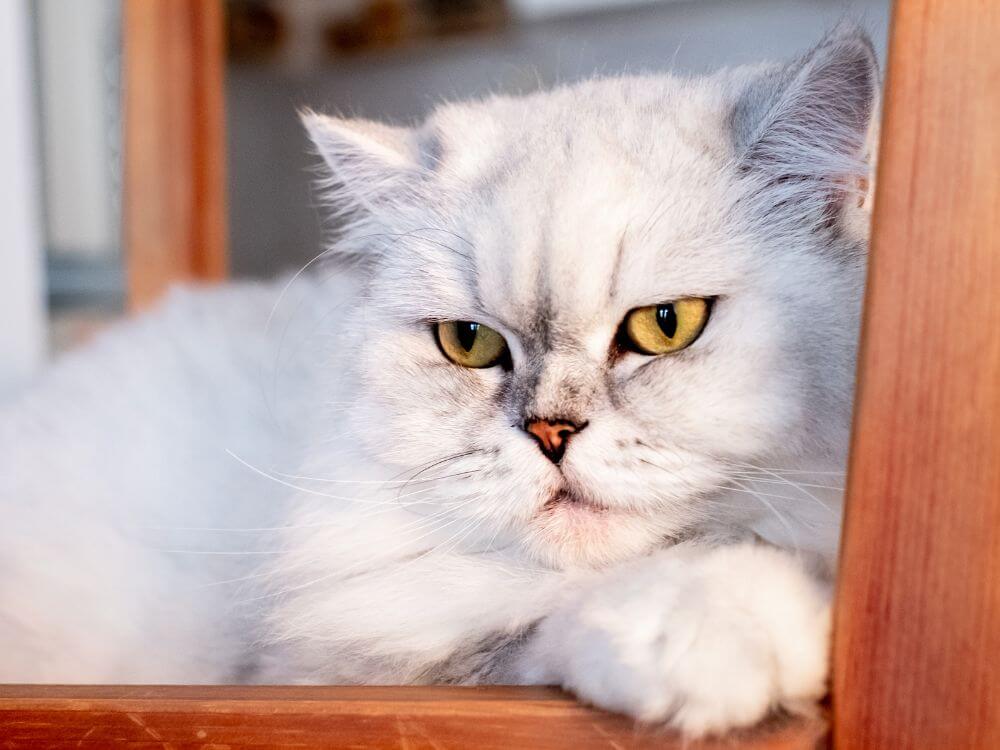
One of the most striking features of the British Longhair is its dense, semi-long coat. The fur is thick, plush, and soft to the touch, with a full, fluffy tail that adds to the cat’s majestic appearance. The coat comes in a wide range of colors and patterns, including solid, tabby, tortoiseshell, and bicolor. Common colors include blue, black, cream, and silver. Each cat’s coat is unique, contributing to its individual charm.
The Round Face and Expressive Eyes
The British Longhair’s face is round and full, with chubby cheeks and a short, broad nose. The breed’s large, round eyes are one of its most captivating features, often described as “owl-like” due to their wide, open expression. Eye color varies depending on the coat color, with common shades including deep gold, copper, green, and blue.
The Signature British Longhair Look
In addition to their luxurious coat and expressive eyes, British Longhairs have small, rounded ears that sit low on their heads, adding to their distinctive look. Their short, thick necks and strong jaws further enhance their powerful appearance. The overall impression is one of balance and harmony, with every feature complementing the breed’s solid build and plush coat.
Personality Traits: A Gentle and Affectionate Companion
The British Longhair is known for its calm, easygoing nature. These cats are affectionate without being overly demanding, making them excellent companions for individuals and families alike. They enjoy spending time with their human companions but also appreciate their independence. This balance of affection and independence makes the British Longhair a great choice for those who want a loving pet that doesn’t require constant attention.
A Quiet Presence
British Longhairs are typically quiet cats, preferring to communicate through gentle purrs and soft meows. They are not as vocal as some other breeds, such as the Siamese, which makes them well-suited to quieter households. Their calm demeanor means they are less likely to become stressed or anxious, even in busy environments.
Playful but Not Hyperactive
While the British Longhair enjoys playtime, it tends to be more laid-back than other breeds. These cats love interactive toys and games that challenge their minds, such as puzzle feeders or feather wands. However, they are just as happy to curl up on a cozy bed or perch by a window to watch the world go by. Their moderate energy levels make them adaptable to various living situations, from apartments to larger homes.
Bonding with Their Human Family
British Longhairs form strong bonds with their human families. They are known to be loyal and devoted, often following their favorite person from room to room. Despite this, they are not clingy and can be left alone for periods without becoming distressed. Their affectionate nature makes them wonderful companions for children and adults alike, and they generally get along well with other pets.
Grooming Needs: Keeping the British Longhair’s Coat in Top Condition
The British Longhair’s dense, semi-long coat requires regular grooming to prevent matting and to keep it looking its best. While the coat is not as high-maintenance as that of a Persian, it still benefits from routine care.
Regular Brushing
To keep the British Longhair’s coat free of tangles and mats, brush it at least two to three times a week. Use a wide-toothed comb or a slicker brush to remove loose fur and prevent knots from forming. Regular brushing also helps reduce shedding and keeps the coat soft and shiny. During shedding seasons, you may need to brush more frequently to manage the increased hair loss.
Bathing and Hygiene
British Longhairs generally do not require frequent baths, but occasional bathing can help keep their coat clean and free of excess oils. Use a cat-specific shampoo that is gentle on their skin. In addition to brushing and bathing, pay attention to their ears, eyes, and teeth. Regularly check their ears for signs of dirt or infection and gently clean them with a damp cloth or a veterinarian-recommended ear cleaner. Wipe away any discharge from their eyes with a soft, damp cloth, and brush their teeth regularly to prevent dental issues.
Claw Care
Like all cats, British Longhairs need regular nail trimming to keep their claws in good condition. Trim their nails every few weeks or as needed, and provide scratching posts to help them maintain their claws naturally. Scratching posts also offer an outlet for their instinct to scratch, which is important for their overall well-being.
Health Considerations: Ensuring a Long, Healthy Life
British Longhairs are generally healthy cats, but like all breeds, they can be prone to certain health issues. Being aware of these potential problems and providing regular veterinary care can help ensure your British Longhair lives a long, healthy life.
Common Health Issues
Some British Longhairs may be prone to hereditary conditions such as hypertrophic cardiomyopathy (HCM), a heart condition that affects the heart muscle. Regular veterinary check-ups, including heart screenings, can help detect this condition early. Other potential health concerns include polycystic kidney disease (PKD) and obesity. Monitoring your cat’s weight and providing a balanced diet can help prevent obesity and related health issues.
Regular Veterinary Care
Regular vet visits are crucial for maintaining your British Longhair’s health. Ensure your cat receives vaccinations, parasite control, and dental care as recommended by your veterinarian. Spaying or neutering your cat also contributes to its overall health and well-being.
Nutrition and Diet
A balanced diet is essential for keeping your British Longhair healthy. Provide high-quality cat food that meets their nutritional needs, and monitor their weight to prevent obesity. Fresh water should always be available, and you can offer occasional treats, but be mindful of the calorie content. Feeding your cat in measured portions can help prevent overeating and ensure they maintain a healthy weight.
The British Longhair in Your Home: Creating a Comfortable Environment
The British Longhair thrives in a home that offers both comfort and stimulation. These cats enjoy cozy spaces where they can relax, as well as opportunities to engage their minds and bodies.
Creating a Cozy Space
Provide your British Longhair with soft beds, blankets, and cozy spots where they can retreat and relax. Cat trees or shelves positioned near windows allow them to observe their surroundings from a safe vantage point. These cats appreciate having their own space where they can rest undisturbed.
Mental and Physical Stimulation
While British Longhairs enjoy lounging, they also need mental and physical stimulation to stay healthy and happy. Interactive toys, puzzle feeders, and regular play sessions can keep them engaged and prevent boredom. Additionally, provide scratching posts and climbing structures to satisfy their natural instincts and keep them active.
Social Interaction
British Longhairs are social cats that enjoy the company of their human families. Make time each day to interact with your cat, whether through play, grooming, or simply sitting together. These moments of connection strengthen your bond and contribute to your cat’s overall well-being.
Conclusion: A Loyal and Loving Companion
The British Longhair is a breed that combines beauty, grace, and a gentle nature, making it a wonderful addition to any home. With their luxurious coats, affectionate personalities, and calm demeanor, these cats are both visually stunning and delightful to live with. Whether you’re looking for a loyal companion or a feline that adds a touch of elegance to your life, the British Longhair is a breed that will not disappoint.
By understanding the needs and characteristics of the British Longhair, you can ensure that your cat enjoys a happy, healthy life, filled with love and comfort. In return, you’ll be rewarded with the companionship of a truly remarkable feline.