Norwegian Forest Cat: Complete Breed Guide
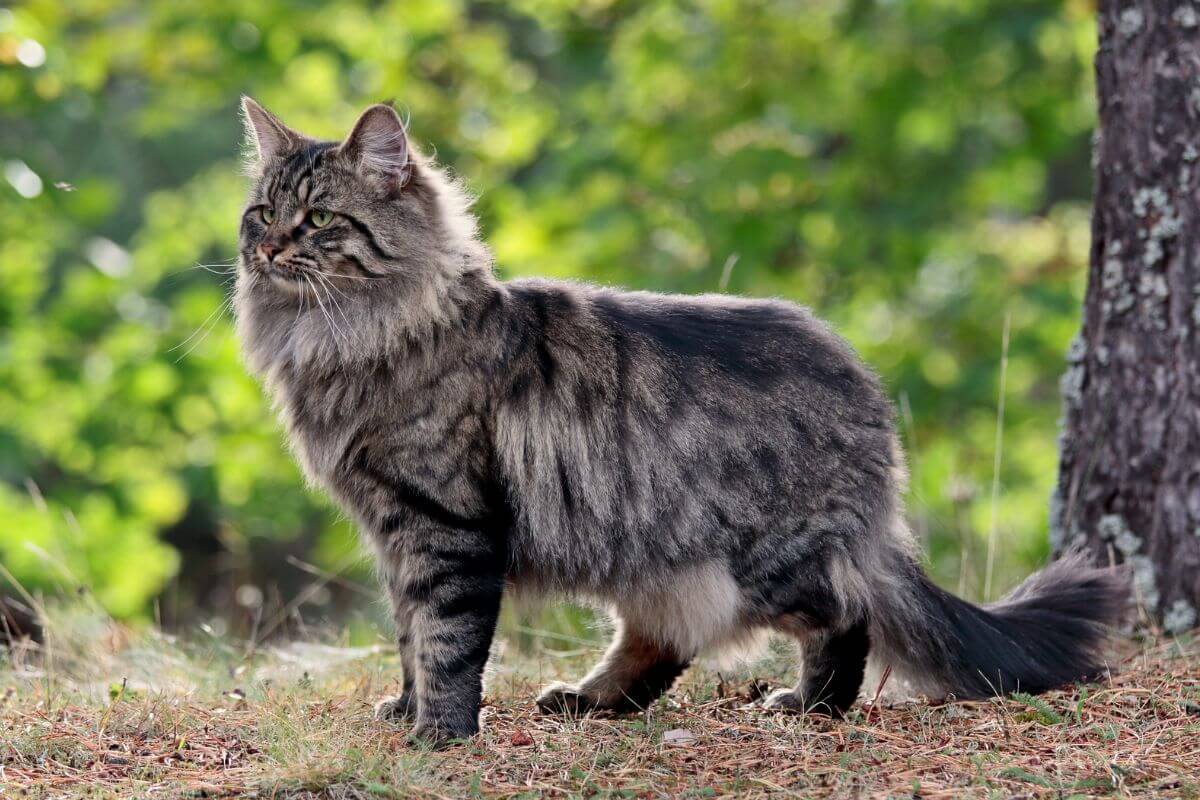
The Norwegian Forest Cat is one of the most impressive long-haired breeds in the world, a large, sturdy, tufted-eared cat that looks as if it just wandered out of a Scandinavian fairy tale. Beneath that luxurious coat lives a gentle, intelligent, and surprisingly easygoing companion that enjoys being near its family without demanding constant attention. If you have ever scrolled past a photo of a fluffy cat with a bushy tail, lynx-like ear tips, and a calm, confident stare, there is a good chance you were looking at one of these remarkable cats.
In this guide you will learn where the breed comes from, what a Norwegian Forest Cat looks like, how it behaves with children and other pets, and what it really takes to keep that thick coat healthy. We will also cover feeding, health concerns, costs, how to find a responsible breeder, and the most common mistakes new owners make. At the end you can take a short interactive quiz to find out whether this breed fits your lifestyle.
Quick answer
The Norwegian Forest Cat is a large, long-haired, naturally athletic breed from Scandinavia with a water-resistant double coat, a friendly but non-clingy personality, and a typical lifespan of about 14 to 16 years. It does best in a home with space to climb, a weekly (and seasonally more frequent) brushing routine, and an owner who is prepared for a cat that matures slowly over three to five years.
Norwegian Forest Cat Breed Overview
Before diving into the details, it helps to have the key facts in one place. These are typical ranges, and individual cats will vary depending on genetics, diet, and lifestyle.
- Origin: Norway and Scandinavia, where the breed is called the Norsk skogkatt
- Size: large; males usually weigh about 12 to 16 pounds and females about 8 to 12 pounds
- Coat: long, water-resistant guard hairs over a dense, woolly undercoat
- Temperament: gentle, sociable, intelligent, and independent in a balanced way
- Lifespan: commonly 14 to 16 years with good care
- Maturity: slow, often reaching full size between three and five years of age
- Grooming needs: moderate to high, especially during seasonal shedding
History and Origins of the Norwegian Forest Cat
The Norwegian Forest Cat developed naturally over many centuries in the cold climate of Scandinavia, and its physical features tell that story clearly. The thick double coat, the broad paws with tufts between the toes, and the powerful, muscular build all helped these cats survive harsh winters and hunt in forests and farmland. Farmers valued them as skilled mousers, and many of these cats lived on farms and aboard ships, where their hunting ability kept grain stores and cargo free of rodents.
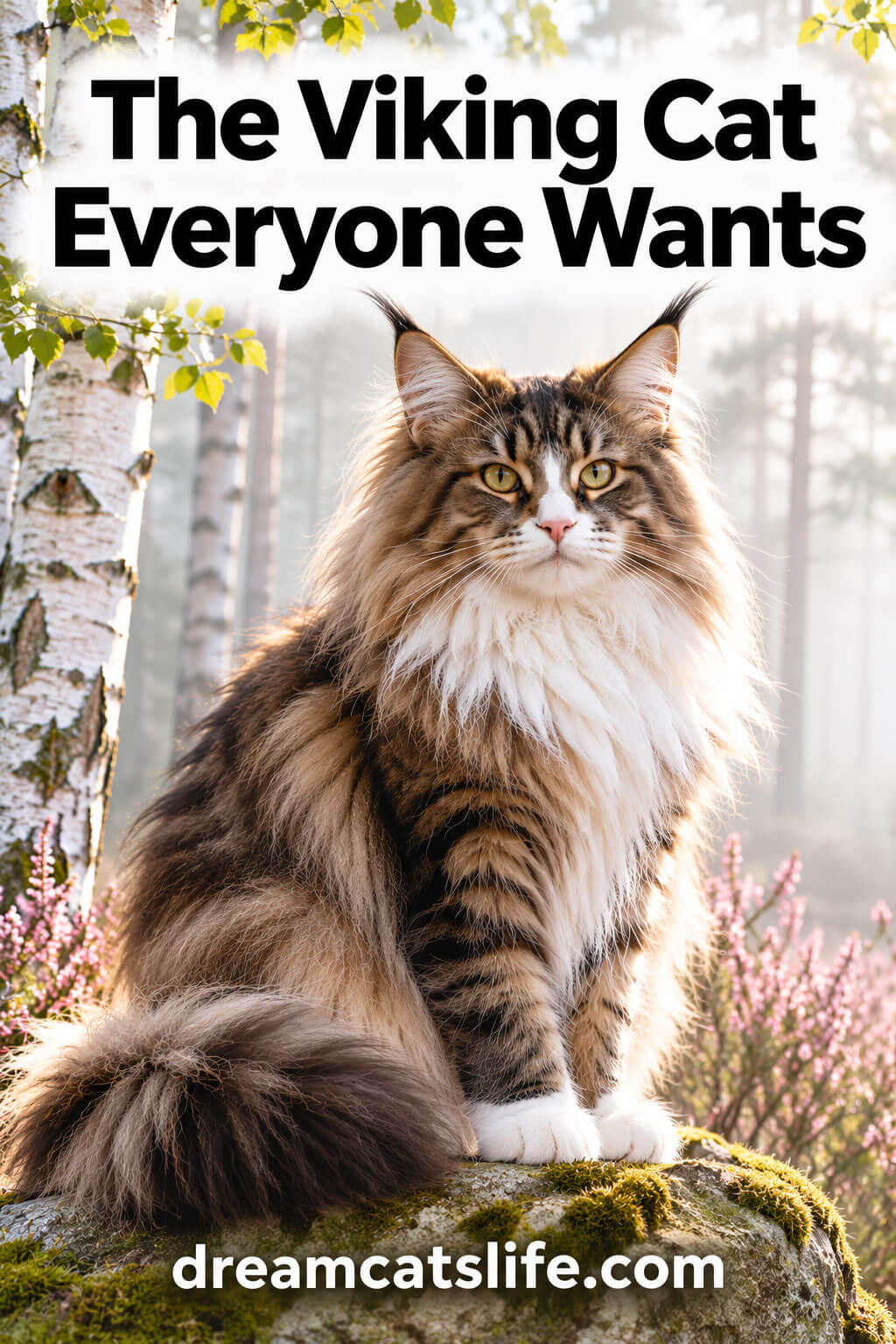
Folklore adds a touch of magic to the breed’s past. Many people link these cats to Norse mythology, in particular to Freyja, the goddess of love, whose chariot was said to be pulled by large cats. There is also a popular story that the cats traveled with the Vikings, although historians cannot say for certain how much of that tale is fact and how much is legend. What is clear is that the breed was shaped by nature first and by people later.
Organized breeding began in Norway in the 1930s, but World War II nearly caused the breed to disappear. After the war, dedicated Norwegian breeders worked to rebuild the population and to create an official breed standard. European cat associations recognized the breed in the 1970s, and it reached the United States in the 1980s. The Cat Fanciers’ Association granted full championship status in the early 1990s, and today the Norwegian Forest Cat is a well-established and much-loved pedigree breed.
Appearance: Size, Coat, and Colors
A Large, Athletic Build
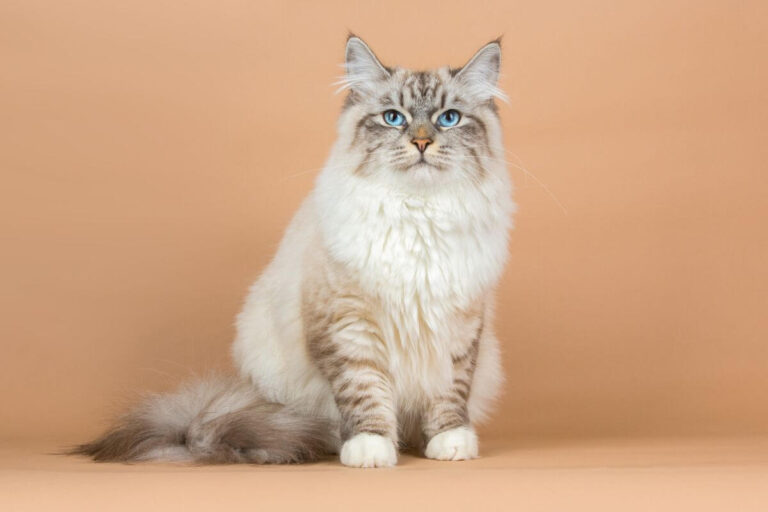
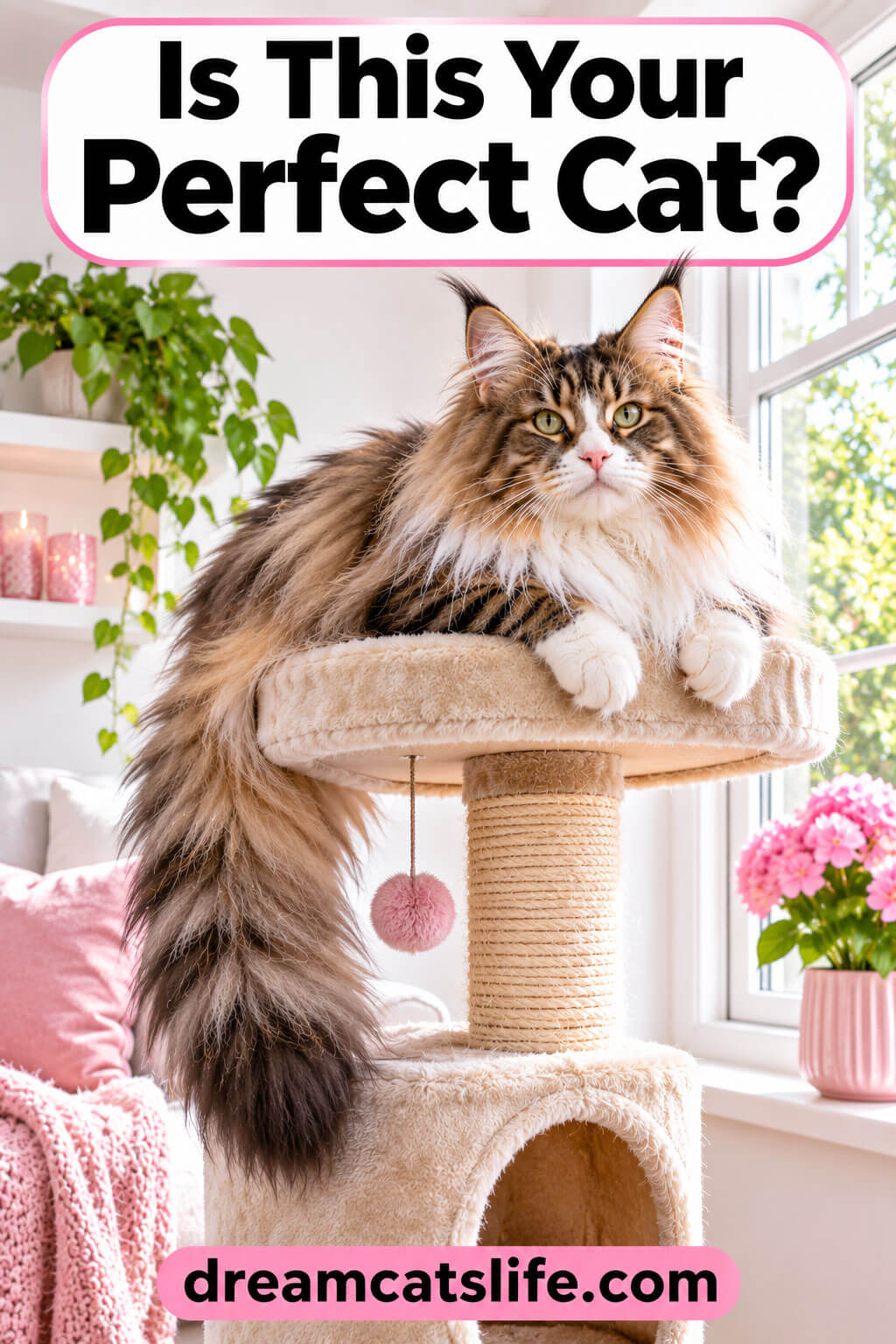
A Norwegian Forest Cat is built for strength and agility. The body is long and muscular, with hind legs that are slightly longer than the front legs, which gives the cat remarkable jumping and climbing power. The head forms an equilateral triangle with a straight profile and no nose break, which is one of the easiest ways to tell this breed apart from a Maine Coon. The almond-shaped eyes can be green, gold, or copper, and the large ears are set high, often with tufts and lynx-like tips.
Because this breed matures slowly, many cats are still growing and filling out at three or four years old. A one-year-old Norwegian Forest Cat may already look big, but it is usually still developing muscle, bone, and coat, so you should not worry if your cat seems lanky or less fluffy during the first couple of years.
The Famous Double Coat
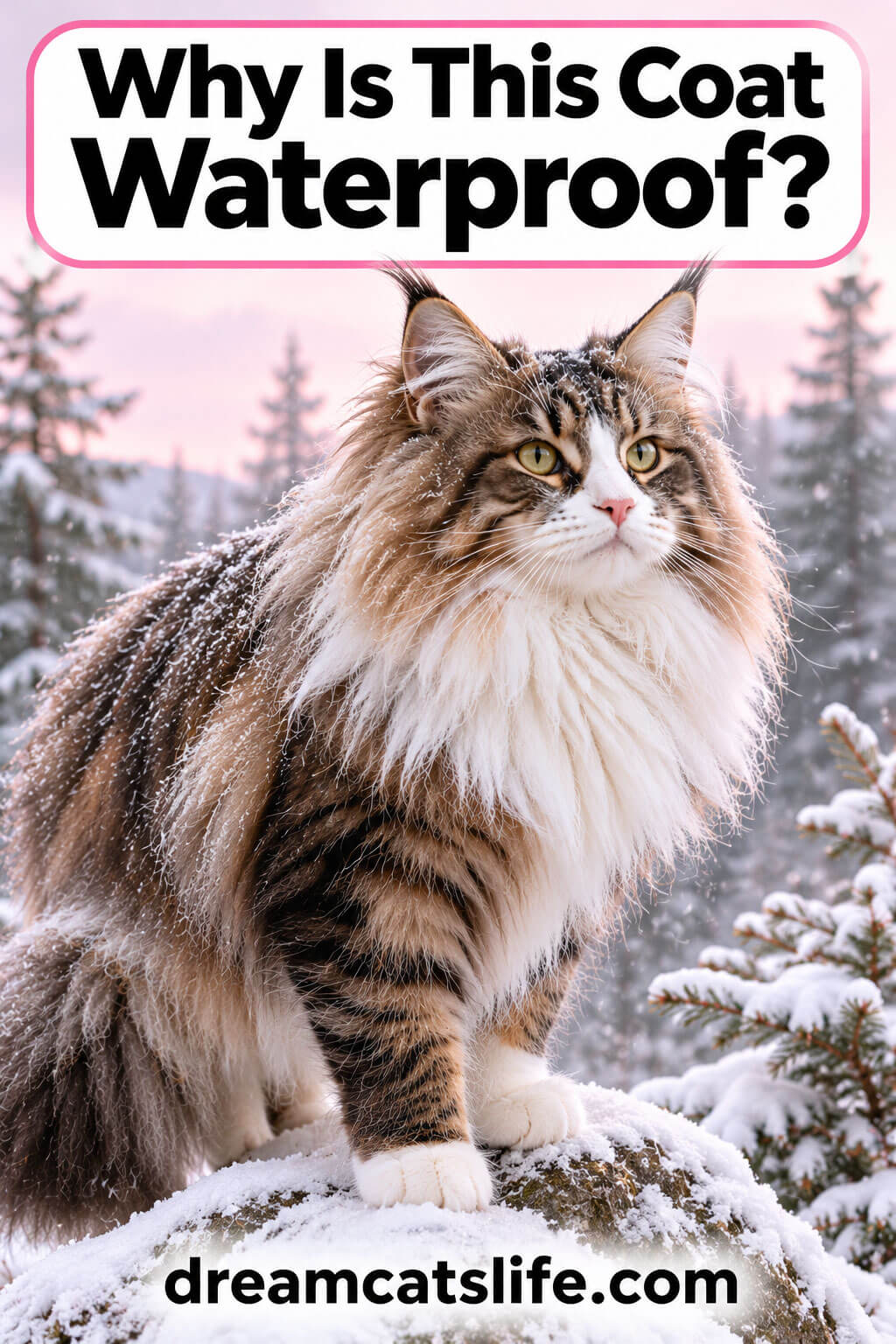
The coat is the breed’s signature feature. A soft, woolly undercoat provides insulation, while the long, glossy guard hairs shed water and snow. The coat is usually shorter on the shoulders and thicker around the neck, where it forms a full ruff, with a bushy tail and fluffy “britches” on the hind legs. Although the coat looks like it would tangle constantly, the texture of the guard hairs makes it less prone to matting than many other long-haired breeds, as long as you brush it consistently.
Colors and Patterns
Norwegian Forest Cats come in nearly every color and pattern, including solid, tabby, tortoiseshell, bicolor, and smoke. The classic brown tabby with white is probably the most recognizable. The main exceptions are colors linked to the chocolate, cinnamon, and lavender genes, as well as the pointed pattern seen in Siamese cats, which are not accepted in the breed standard.
Norwegian Forest Cat Personality and Temperament
Most owners describe the Norwegian Forest Cat as calm, sweet, and quietly affectionate. These cats love their people and often follow them from room to room, but they are rarely pushy about it. Many prefer to sit beside you rather than on your lap, and some are happiest when they can keep an eye on the household from a high perch. If you want a cat that is friendly and present without being clingy, this breed hits a lovely balance.
They are also smart and playful. Norwegian Forest Cats enjoy interactive toys, puzzle feeders, and games that let them chase, pounce, and climb. Their voices tend to be soft, with gentle chirps and trills rather than loud demands, which makes them pleasant companions for people who prefer a quieter pet.
With Children, Dogs, and Other Cats
The breed’s patient and sociable nature usually makes it a good fit for families. Norwegian Forest Cats generally tolerate respectful children well, and many get along with cat-friendly dogs and other cats, particularly when introductions are slow and supervised. As with any breed, early socialization matters, so expose kittens gently to different people, sounds, and everyday household activity during their first months.
Climbing and Hunting Instincts
This is a cat that loves heights. In its homeland, the breed is known for climbing trees and, thanks to strong, curved claws, descending them head first in a way most cats cannot manage. Indoors, that instinct shows up as a love of bookshelves, tall furniture, and the highest point in the room. Providing safe vertical space is not a luxury for this breed; it is an essential part of keeping the cat mentally and physically satisfied.
Is a Norwegian Forest Cat Right for You?
This breed suits many households, but it is not the perfect match for everyone. A Norwegian Forest Cat is usually a great choice if you enjoy a larger, slow-maturing cat, have room for climbing furniture, and do not mind a weekly grooming session. It may be a poor fit if you need a hypoallergenic cat, want a cat that is happy to be carried everywhere, or have very little time for grooming and play. Take the quick quiz below to see how your lifestyle lines up.
Is a Norwegian Forest Cat Right for You?
Answer 8 quick questions about your home and lifestyle.
Grooming a Norwegian Forest Cat
Grooming is where many new owners are either pleasantly surprised or caught off guard. On a normal week, the coat needs one or two thorough brushing sessions, but during the spring and early summer shed, you may need to brush every day for a few weeks. That seasonal “blowing of the coat” can release astonishing amounts of undercoat, so it is better to stay ahead of it than to wait for mats to form.
A Simple Weekly Routine
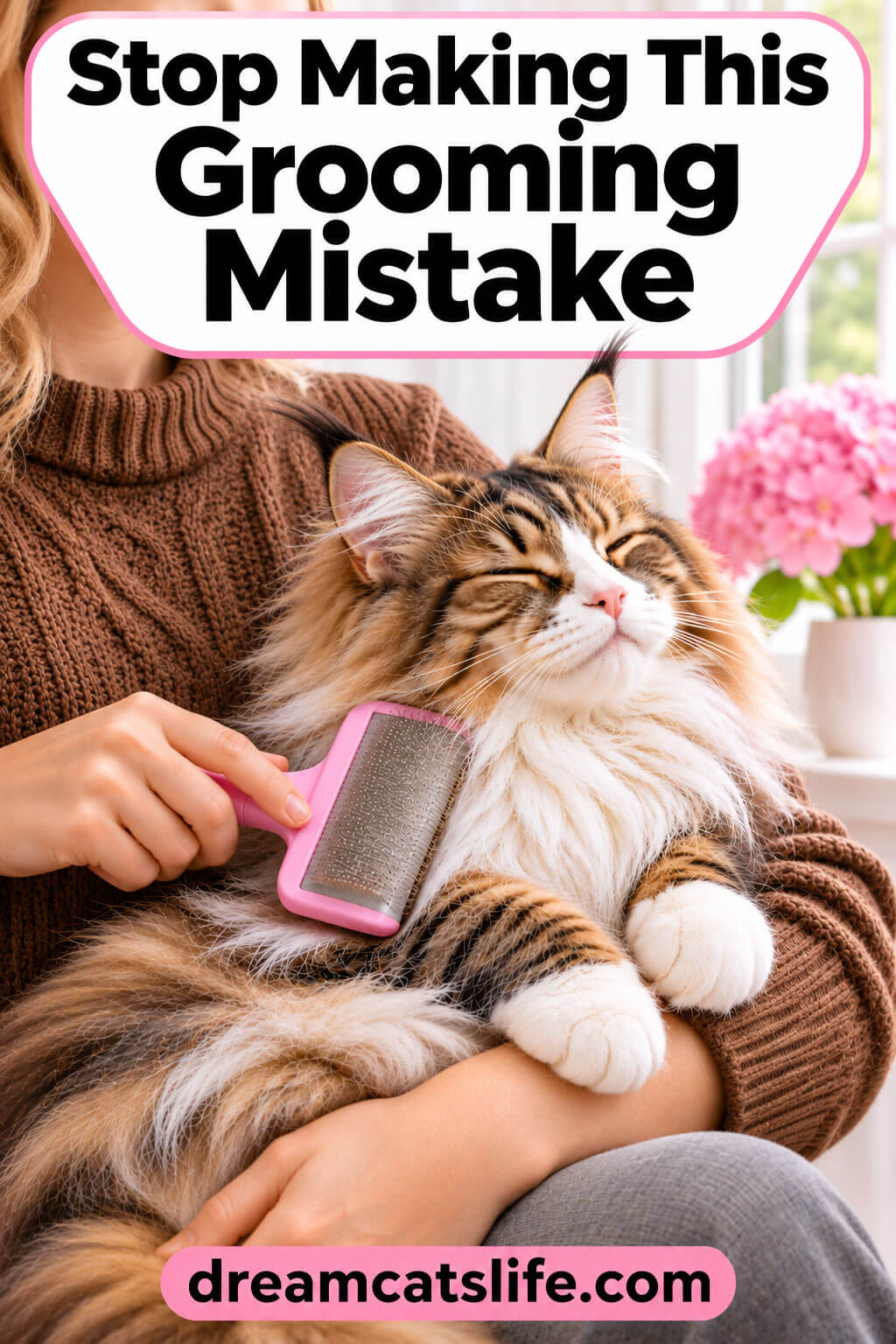
You do not need a large collection of tools. A stainless steel cat comb works well for checking the areas where tangles tend to form, and a gentle slicker brush for long-haired cats helps remove loose undercoat. The key is to work in sections and to be patient rather than quick.
- Start with a calm cat. Brush after play or a meal, when your cat is relaxed, and keep the first sessions to a few minutes.
- Use the comb on trouble spots. Check behind the ears, under the armpits, along the belly, and on the britches, where mats form most often.
- Follow the direction of hair growth. Brush gently and lift the hair in layers so you reach the undercoat without tugging the skin.
- Finish with a reward. A treat, a play session, or a bit of praise teaches your cat that grooming is a good experience.
Pro tip: Start grooming as early as kittenhood, even when the coat is still short. Cats that learn to enjoy the brush from the beginning are far easier to groom as adults.
Grooming Mistakes to Avoid
The most common mistake is shaving the coat in summer. The double coat actually helps regulate temperature, and shaving it can damage the way the fur grows back and expose the skin to sunburn and injury. Another frequent error is brushing only the top layer, which leaves a dense mat close to the skin that can become painful and may require a professional groomer or vet to remove. Finally, baths are rarely necessary and can be stressful, so reserve them for special situations and use only products made for cats.
Do not forget the basics beyond the coat. Trim the nails every few weeks, check the ears for debris, and brush the teeth regularly if your cat will tolerate it, because dental disease is common in cats of every breed.
Feeding and Weight Management
A large, active breed needs a high-quality, protein-rich diet that suits its life stage. Kittens benefit from food formulated for growth, and because Norwegian Forest Cats mature slowly, many veterinarians recommend keeping them on a kitten-appropriate diet longer than they would for smaller breeds. Ask your vet when to switch, since the right timing depends on the individual cat.
Although these cats are active, they can gain weight easily if they are overfed or have too little exercise, and extra weight is hard to spot beneath a thick coat. The best habit is to feel the ribs and waist regularly instead of relying on appearance alone, and to measure meals rather than leaving food out all day. A cat water fountain can also encourage better hydration, which supports kidney and urinary health, and many Norwegian Forest Cats enjoy playing with moving water anyway.
Common Health Concerns and Lifespan
The Norwegian Forest Cat is generally a healthy and hardy breed, and with good care it often lives 14 to 16 years or longer. Still, responsible owners should know about a few conditions that can occur in the breed.
- Hypertrophic cardiomyopathy (HCM): a thickening of the heart muscle that can occur in many breeds, including this one; regular vet checks and, for breeding cats, cardiac screening are important
- Glycogen storage disease type IV (GSD IV): a rare inherited disorder that affects Norwegian Forest Cats; a genetic test is available, and reputable breeders test their breeding cats
- Hip dysplasia: a joint condition that can lead to stiffness or pain, particularly in larger cats
- Pyruvate kinase deficiency: an inherited form of anemia that can also be screened with a genetic test
The best protection is a combination of a health-tested kitten, yearly veterinary exams, a healthy weight, and quick attention to changes such as reduced appetite, labored breathing, limping, or unusual tiredness. If you notice any of these signs, contact your veterinarian promptly rather than waiting to see whether they pass.
Setting Up Your Home
Because of the breed’s size and climbing talent, your furniture choices matter. A lightweight cat tree may wobble or tip under a 15-pound cat, so look for a tall, sturdy cat tree designed for large cats with wide platforms and a heavy base. Placing it by a window gives your cat a bird-watching station and a great way to burn energy.
The litter box should be large as well. A good rule is a box about one and a half times the length of your cat, and many owners find that an extra-large litter box prevents accidents and keeps long fur cleaner. Keep the fur around the hind end trimmed neatly if litter tends to stick to it.
Indoor Life, Catios, and Harness Training
Norwegian Forest Cats are curious explorers, but an indoor life is safer from traffic, predators, parasites, and diseases. To satisfy their outdoor instincts, consider a secure catio or teach your cat to walk on a comfortable harness and leash. Start slowly at home with short sessions and plenty of rewards, and never leave a harnessed cat unattended. Rotating toys, offering puzzle feeders, and scheduling daily play sessions will round out the enrichment your cat needs.
How Much Does a Norwegian Forest Cat Cost?
A Norwegian Forest Cat kitten from a responsible breeder commonly costs roughly $600 to $1,500 or more, depending on the region, bloodline, and whether the kitten is sold as a pet or for show. Prices vary, so treat these numbers as general estimates and ask each breeder what is included, such as vaccinations, health testing, a written contract, and spay or neuter arrangements.
The purchase price is only the start. Over a lifetime, you should plan for quality food, litter, grooming tools, routine veterinary care, dental care, and possible emergencies. Pet insurance can be a helpful safety net, especially for a breed with known hereditary conditions.
How to Find a Reputable Breeder (and Red Flags to Avoid)
A good breeder will welcome your questions, let you see where the kittens are raised, and provide documented health testing for the parents, including screening for GSD IV and heart health. They will usually keep kittens until at least 12 weeks old and will ask you questions in return, because they care where their cats go. Be cautious of sellers who always have kittens available, refuse to show the parents, push for quick payment, or sell through pet stores and anonymous online ads.
Adoption is another wonderful option. Pure Norwegian Forest Cats are uncommon in shelters, but breed-specific rescues and local shelters sometimes have Norwegian Forest Cat mixes or adult cats that need a home, and adult cats often have settled personalities that make it easy to see whether they suit you.
Common Mistakes New Norwegian Forest Cat Owners Make
Almost every mistake owners make with this breed comes down to underestimating its size, coat, or energy. Keep these in mind and you will avoid most of the trouble.
- Skipping grooming during shedding season. A few days of neglect can lead to mats that are painful to remove.
- Buying a small cat tree. Flimsy furniture can tip and discourage your cat from using it.
- Overfeeding because the cat looks big. Large frames can hide extra weight under the fur.
- Assuming the breed is hypoallergenic. Long coats do not mean fewer allergens, and people with allergies should spend time with the breed before committing.
- Choosing a kitten without health testing. Skipping this step increases the risk of inherited disease.
- Ignoring the need for activity. Bored cats may become destructive or gain weight.
Frequently Asked Questions
Are Norwegian Forest Cats good family pets?
Yes, they usually are. The breed is known for its patient, gentle, and sociable personality, and it tends to do well with respectful children and cat-friendly dogs. Supervise young children and teach them to handle the cat gently.
Do Norwegian Forest Cats shed a lot?
They shed moderately throughout the year and heavily during the seasonal coat change in spring. Regular brushing keeps loose hair under control and reduces the risk of mats and hairballs.
Are Norwegian Forest Cats hypoallergenic?
No. Cat allergies are triggered mainly by proteins found in saliva and skin, not by hair length alone, so this breed can still cause reactions. People with allergies should talk with their doctor and spend time with the breed before adopting.
How big do Norwegian Forest Cats get?
Males typically weigh about 12 to 16 pounds and females about 8 to 12 pounds, though some individuals are larger. They grow slowly and may not reach full size until they are three to five years old.
What is the difference between a Norwegian Forest Cat and a Maine Coon?
The two breeds look similar, but the Norwegian Forest Cat has a triangular head with a straight profile, while the Maine Coon has a squarer muzzle and a slight nose dip. Maine Coons also tend to be a little larger and have a shaggier, more uneven coat.
How long do Norwegian Forest Cats live?
With proper nutrition, veterinary care, and an indoor lifestyle, they commonly live 14 to 16 years, and some live longer.
Can Norwegian Forest Cats live in apartments?
They can, as long as the apartment offers vertical space, daily play, and mental stimulation. A sturdy cat tree and window perch go a long way toward keeping this active breed happy in a smaller home.
Final Thoughts
The Norwegian Forest Cat combines wild-looking beauty with a warm, easygoing personality, and for the right household it is a rewarding, long-term companion. Success with this breed comes down to a few simple habits: groom regularly, provide tall and sturdy places to climb, feed carefully, and choose a health-tested kitten from a responsible source. If you are willing to invest in those basics, you will gain a loyal friend who is both majestic and wonderfully gentle.
If you are still unsure, spend time with the breed, talk with owners and breeders, and revisit the quiz above. Taking the time to make the decision thoughtfully is the best gift you can give both yourself and your future cat.
This article is for general informational purposes and does not replace professional veterinary advice. Always consult your veterinarian about your cat’s diet, health, and care.