Siberian Cat Breed: Personality, Care, Cost, and Everything You Need to Know
The Siberian cat breed is one of the most affectionate, athletic, and genuinely fun longhair cats in the world, and it has been winning hearts far beyond the cold forests of Russia where it first developed. With a plush triple coat, a bushy tail, and a personality that owners often compare to a friendly dog, a Siberian can turn a quiet home into a warm and lively one. If you have been wondering whether this fluffy, muscular companion is the right cat for you, you are in the right place.
In this guide you will learn where Siberian cats come from, what they look like, how they behave, and what their health, grooming, and feeding needs really involve. We will also look honestly at the popular question of allergies, walk through realistic costs, share the most common mistakes new owners make, and finish with a short interactive quiz that helps you decide whether a Siberian fits your lifestyle.
Quick answer
The Siberian is a medium-to-large, semi-longhaired cat known for its thick triple coat, playful and people-loving personality, and impressive jumping ability. Adults usually weigh 10 to 20 pounds, live about 11 to 15 years or more with good care, and need weekly brushing, plenty of vertical space, and daily interactive play. They are often called hypoallergenic, but no cat is truly allergy-proof, so spend time with one before you commit.
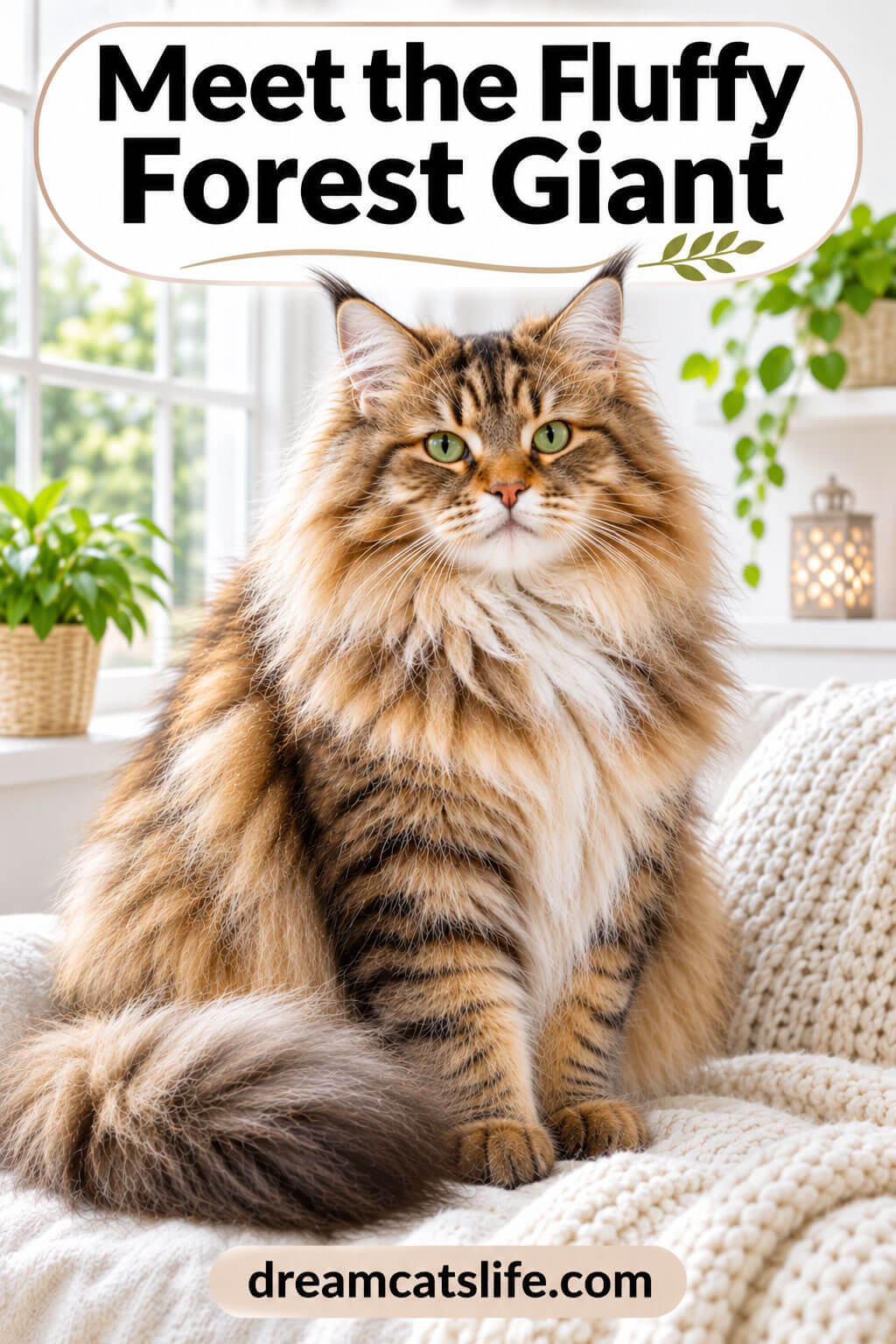
Where the Siberian Cat Comes From
Siberian cats are a natural breed that developed over several centuries in the harsh climate of Russia, where long winters shaped them into sturdy, thick-coated survivors. Stories of large, fluffy forest cats living alongside farmers, monks, and merchants go back hundreds of years, and the Siberian is widely regarded as a national cat of Russia. Their dense coat, rounded features, and powerful hindquarters were not designed by breeders but by the environment itself, which is one reason the breed has such a reputation for being robust and adaptable.
The breed reached the rest of the world in the late twentieth century. After organized breeding programs began in Russia in the 1980s, the first Siberians arrived in the United States around 1990, and the breed has since been accepted by major registries such as TICA and the Cat Fanciers’ Association. Today Siberians are still considered relatively uncommon in the United States, which is part of why waiting lists for kittens from reputable breeders can be long.
Siberian Cat Appearance: Size, Coat, and Colors
The Famous Triple Coat
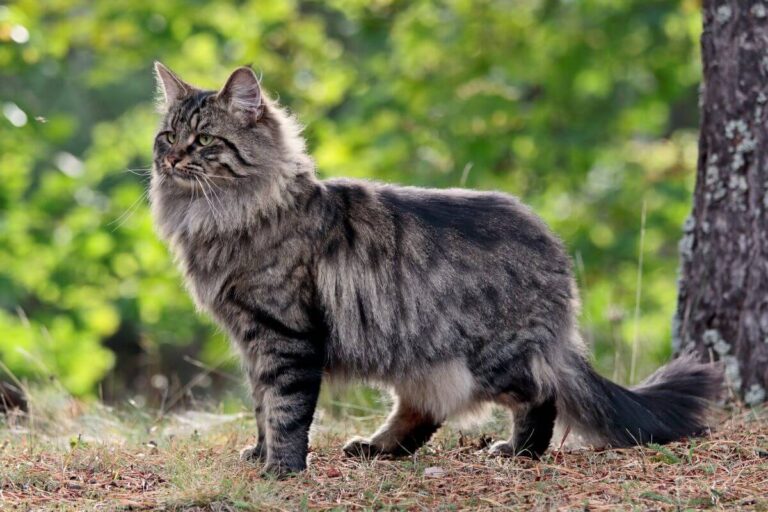
The first thing most people notice about a Siberian is the coat, and for good reason. It is made up of three layers: a soft, dense undercoat, a middle layer of awn hairs, and a longer, slightly coarse outer coat that sheds water and snow. Together they create the full ruff around the neck, the fluffy “britches” on the hind legs, and the plume of a tail that Siberians carry so proudly. Kittens often look like little teddy bears, and the coat takes a couple of years to reach its full glory.
The coat is also surprisingly practical. Because the outer layer is somewhat water-resistant and the texture is less silky than that of some other longhaired breeds, many owners find that Siberian fur tangles less than they expected, as long as they keep up with regular brushing. Seasonal shedding is real, though, and you should expect noticeably more fur in spring and fall when the cat swaps its winter and summer coats.
Size, Build, and Growth
Siberians are medium-to-large cats with a barrel-shaped body, strong bone structure, and a slightly rounded look from head to tail. Males typically weigh between 15 and 20 pounds, while females are usually smaller, often between 10 and 15 pounds. They are not quick to mature, and it commonly takes three to five years for a Siberian to reach its full size and coat development, which means your kitten may keep filling out long after other cats have stopped growing.
Colors, Patterns, and the Neva Masquerade
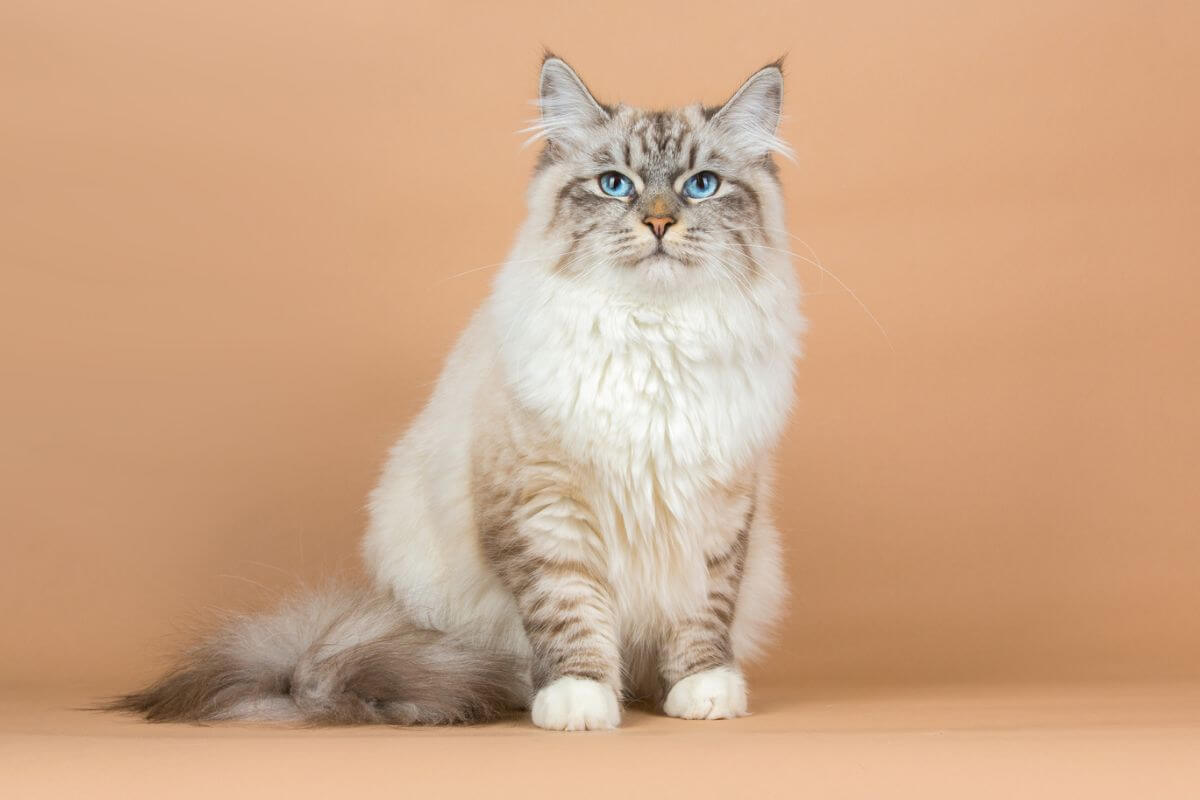
Siberians come in almost every color and pattern, including solid, tabby, tortoiseshell, bicolor, and smoke, with or without white. A colorpoint version, with a lighter body and darker face, ears, legs, and tail, is known as the Neva Masquerade, and its piercing blue eyes make it especially striking. Some registries recognize it as a color variety of the Siberian, while others list it as a separate breed, so it is worth checking how your preferred registry handles it if you plan to show your cat.
Siberian Cat Personality and Temperament
If you ask Siberian owners to describe their cats, you will hear the same words again and again: loyal, playful, curious, and affectionate. These cats tend to bond closely with their families and often follow their people from room to room, greet them at the door, and join in whatever is happening, whether that means folding laundry or video calls. They are not usually clingy in a needy way, but they clearly prefer company to solitude.
Siberians are also athletic and intelligent. They love to climb, leap to the top of the tallest shelf in the house, and investigate anything that looks like a puzzle, including cabinet doors and faucets. Many enjoy water more than the average cat and may dip a paw in the sink or splash in a shallow bowl. Their voices are generally soft, with a lot of chirps, trills, and purrs rather than loud meowing, and plenty of owners describe a loud, motorboat-style purr that is hard to resist.
Because they are so people-oriented, Siberians can become bored or lonely if they spend long days alone with nothing to do. That does not mean they cannot live in a household where everyone works, but it does mean a second pet, a window perch, and scheduled play sessions matter more than they might with a more independent breed.
Are Siberian Cats Hypoallergenic?
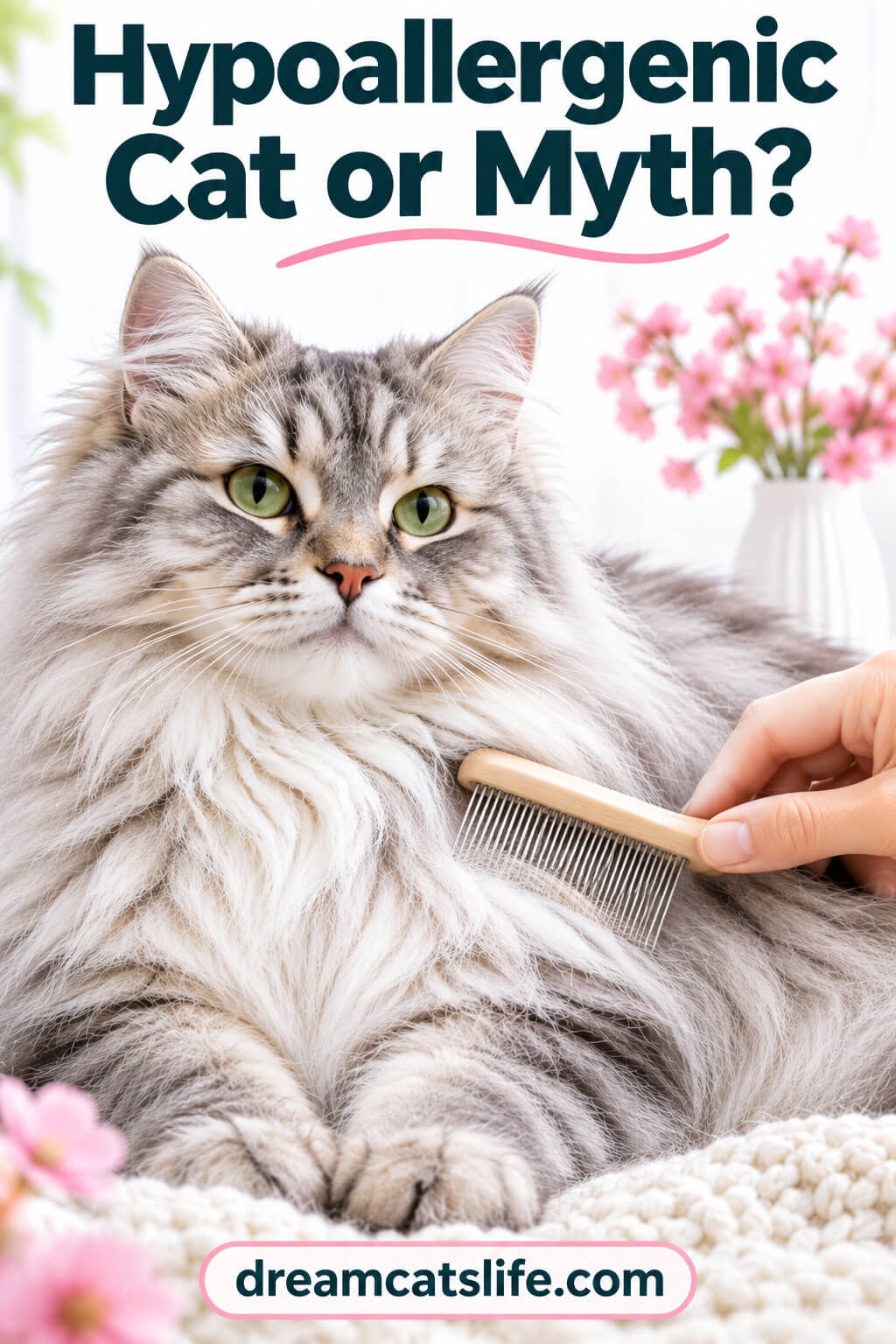
This is one of the most searched questions about the breed, and it deserves a careful answer. No cat is completely hypoallergenic, but some people with cat allergies report fewer symptoms around Siberians. The main cat allergen, a protein called Fel d 1, is produced in saliva and skin glands and spread through grooming, and some studies and breeder reports suggest that certain Siberians produce lower levels of it than the average cat. However, levels vary widely from one cat to another, even within the same litter, and scientific evidence for the breed as a whole is still limited.
If you or a family member has allergies, the smartest approach is to spend extended time with the specific kitten or adult cat before bringing it home, ideally several visits and ideally with the parent cats present. Talk to your doctor or an allergist first, particularly if you have asthma, and be wary of any breeder who guarantees that a kitten will not trigger a reaction. Regular cleaning, air purifiers, washing bedding, and keeping the cat out of the bedroom can also reduce exposure, although they will not eliminate it.
Siberian Cat Health and Lifespan
Siberians are generally considered a healthy, hardy breed, and a well-cared-for indoor cat commonly lives 11 to 15 years, and sometimes longer. As with any breed, though, there are conditions that responsible owners and breeders keep a close eye on. The most important is hypertrophic cardiomyopathy (HCM), a form of heart disease that can occur in many cats, including Siberians. Other issues seen in cats of all breeds, such as dental disease, obesity, and urinary problems, can also affect them.
When you look for a kitten, ask the breeder what heart screening and genetic testing they perform on their breeding cats, and ask to see documentation rather than relying on verbal assurances. After you bring your cat home, schedule regular veterinary checkups, keep vaccinations and parasite prevention up to date, and ask your vet whether a cardiac evaluation makes sense for your cat as it matures. Early detection can make a real difference in managing many conditions.
Watch for warning signs: rapid or labored breathing at rest, sudden lethargy, loss of appetite, repeated vomiting, straining in the litter box, or sudden hind-leg weakness. Any of these calls for an urgent call to your veterinarian.
What to Feed a Siberian Cat
A Siberian’s muscular frame and slow growth mean it benefits from a high-quality, protein-rich diet that meets complete and balanced nutritional standards for its life stage. Kittens need food formulated for growth, adults need maintenance formulas, and seniors may need adjustments based on their vet’s advice. Many owners combine wet food, which supports hydration and urinary health, with a measured amount of dry food, but the right balance depends on your cat’s age, weight, and medical history.
Because the thick coat can hide extra pounds, it is easy to overlook weight gain until it becomes a problem. Get in the habit of feeling your cat’s ribs and waistline rather than just looking at them, and ask your vet to show you how to score body condition. Measuring portions, avoiding constant free-feeding, and using a puzzle feeder or slow feeder can slow down mealtime and give an intelligent cat something to think about. Fresh water is just as important, and a stainless steel cat water fountain often appeals to Siberians who love moving water.
Grooming a Siberian Cat
The good news is that Siberians are easier to groom than their luxurious coats suggest. For most of the year, brushing once or twice a week is enough to remove loose hair and prevent mats, while the heavier shedding seasons may call for brushing every day or every other day. A wide-toothed stainless steel comb for long-haired cats is a great starting tool, and an undercoat rake or slicker brush can help during the seasonal blowout.
Pay special attention to the places where mats like to form: behind the ears, under the armpits, along the belly, and in the fluffy britches near the tail. Work gently, go slowly, and reward your cat with treats or play so grooming becomes something pleasant. Start while your Siberian is a kitten so it learns to enjoy the routine.
- Baths: Usually only needed occasionally, if the coat gets dirty or greasy, and always with a cat-safe shampoo.
- Nails: Trim every two to three weeks to keep them from snagging or becoming overgrown.
- Teeth: Aim for regular brushing with a cat-safe toothpaste, and ask your vet about dental checkups.
- Never shave: The triple coat insulates against both cold and heat, and shaving can damage it and cause skin problems.
Setting Up Your Home for a Siberian
Siberians are natural climbers and jumpers, so the best way to keep them happy is to give them vertical territory. A sturdy, extra-large cat tree built for large cats will hold up much better than a lightweight model, and a tall, heavy-duty sisal scratching post gives them an appropriate outlet for stretching and claw maintenance. Wall shelves, window perches, and clear paths to high spots can turn an ordinary room into an adventure playground.
Litter box size matters more than many new owners realize. A big cat needs room to turn around and dig, so choose an extra-large or jumbo litter box that is at least one and a half times the length of your cat, and keep it scrupulously clean. Place it in a quiet but accessible spot away from food and water.
Since Siberians are clever and curious, take a few minutes to cat-proof your home. Secure cabinets, keep toxic plants such as lilies out of reach, tuck cords away, and be careful with open windows and balconies. Most Siberians do best as indoor cats, or with supervised outdoor time in a secure enclosure or on a harness, which protects them from traffic, parasites, and disease.
Exercise, Play, and Training
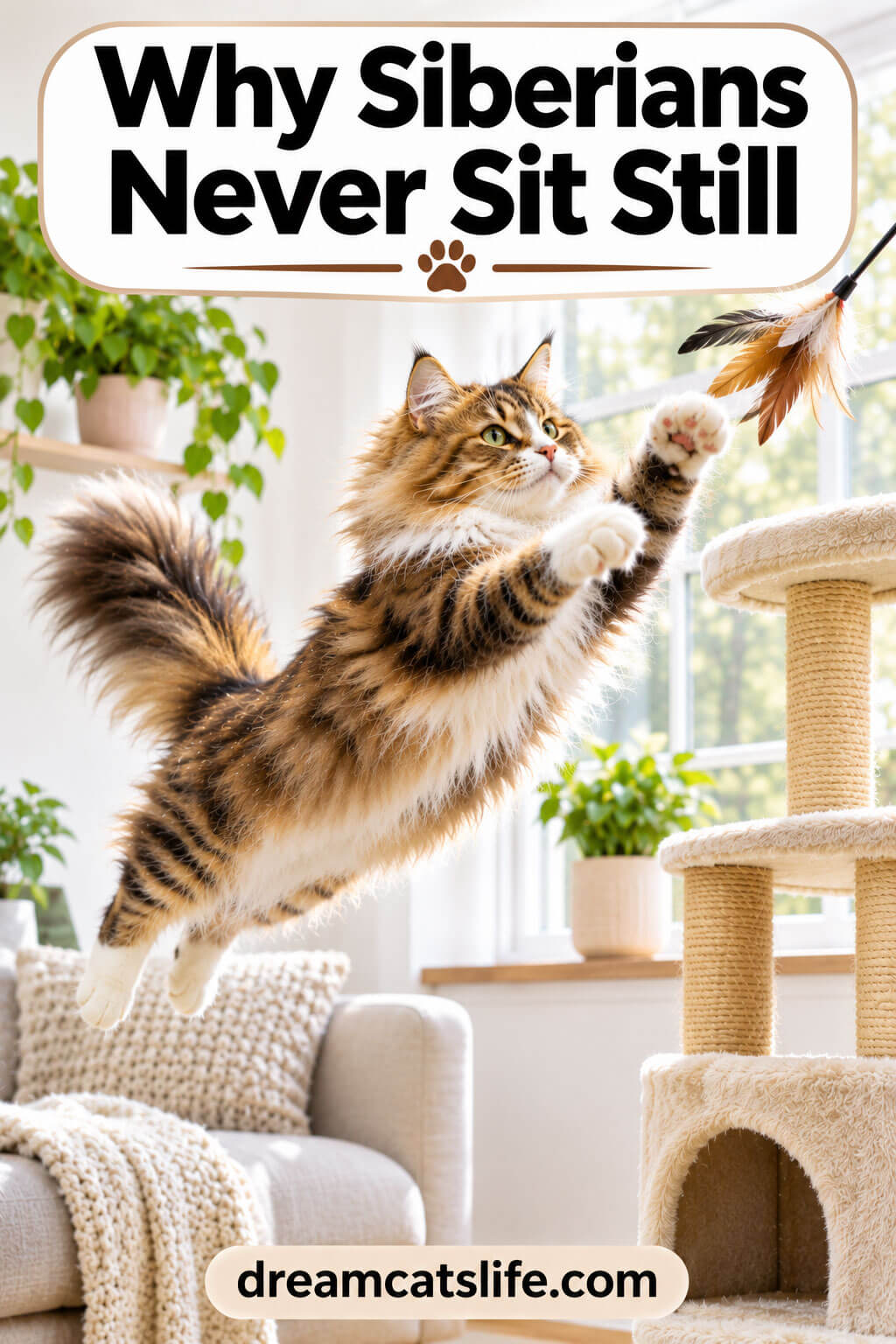
An under-stimulated Siberian is likely to find its own entertainment, which often means opening drawers or launching knickknacks off shelves. Plan on at least two play sessions a day, each lasting ten to fifteen minutes, with an interactive wand toy that lets them stalk, pounce, and leap. Rotating toys every week keeps things fresh, and ending each session with a small treat or meal satisfies the natural hunt, catch, and eat cycle.
Siberians are also among the more trainable cats. Many learn to fetch, come when called, walk on a harness, or perform simple tricks using clicker training and tiny food rewards. Training is a wonderful way to bond, burn extra energy, and build confidence in shy or easily bored cats. Keep sessions short, always positive, and never punish mistakes, since scolding usually only damages trust.
Siberians With Kids, Dogs, and Other Pets
The Siberian’s sturdy build and sociable nature make it a good match for many families. They are typically patient with respectful children and often enjoy being part of the action, although any cat should be allowed to walk away from rough handling. Teach children to pet gently, avoid pulling the tail, and let the cat choose when to interact.
Siberians usually get along well with cat-friendly dogs and other cats, particularly when introductions are gradual. Start by keeping the animals in separate spaces, swap bedding so they can get used to each other’s scent, and then allow short, supervised meetings with plenty of treats and escape routes. Rushing introductions is a common reason that new pets fail to bond.
How Much Does a Siberian Cat Cost?
In the United States, a Siberian kitten from a reputable breeder typically costs somewhere in the range of $1,200 to $2,500 or more, depending on the breeder, location, pedigree, and whether the kitten is sold as a pet or a show prospect. Rare colors and the Neva Masquerade variety can cost more. Remember that the purchase price is only the beginning, because food, litter, vet care, grooming supplies, pet insurance, and emergency funds add up over the 12 to 15 years of the cat’s life.

How to Find a Responsible Breeder (and Avoid Scams)
Because Siberians are in high demand, they are a target for scammers and careless breeders. A trustworthy breeder will welcome your questions, let you see the kitten’s living environment in person or by live video, and provide health records, vaccination details, and a written contract. Kittens should not go home until they are about 12 to 14 weeks old, fully weaned, and vaccinated.
- Red flags: Pressure to pay a deposit immediately, refusal to video chat, prices far below the average, no health testing, or several litters always available.
- Green flags: Registered with TICA or CFA, transparent health testing, a waiting list, spay or neuter agreements, and a willingness to take the cat back at any time.
- Another option: Check breed-specific rescues and local shelters, where Siberians and Siberian mixes occasionally need homes.
Common Mistakes Siberian Owners Make
Even enthusiastic and well-prepared owners can slip up, especially in the first year. Here are the mistakes that come up most often, along with how to sidestep them.
- Believing the hypoallergenic promise. Meet the cat several times first and talk with your doctor if you have allergies.
- Skipping vertical space. Without climbing options, a Siberian may turn bookshelves and kitchen counters into its personal jungle gym.
- Neglecting grooming during shedding season. A few minutes a day in spring and fall prevents painful mats and hairballs.
- Overfeeding. The thick coat hides weight gain, so rely on regular weigh-ins and your vet’s advice.
- Leaving the cat alone too long. This sociable breed needs company, play, and attention every day.
- Buying from the cheapest seller. A bargain kitten without health records often becomes costly later.
- Using flimsy furniture. A 15-pound cat leaping onto a lightweight tree can topple it and lose trust in climbing altogether.
Is a Siberian Cat Right for You?
A Siberian is a wonderful companion for people who want a playful, interactive, and affectionate cat and are willing to invest in grooming, enrichment, and veterinary care. It is probably not the best choice for someone who is away from home for most of the day, wants a cat that stays off high surfaces, or expects a completely allergy-free pet. The quiz below is a quick, friendly way to check how your lifestyle lines up with the breed. It is not a scientific test, but it can highlight areas to think about before you take the plunge.
Is a Siberian Cat Right for You?
8 quick questions. Pick the answer that fits your life best.
Frequently Asked Questions
Are Siberian cats good family pets?
Yes, in most cases. They are social, sturdy, and playful, which makes them a good match for active families and households with respectful children or friendly pets. They do best when someone is home often enough to give them attention and play.
How big do Siberian cats get?
Males usually weigh 15 to 20 pounds and females 10 to 15 pounds, although individual cats vary. They mature slowly, often reaching full size and coat development between three and five years of age.
How long do Siberian cats live?
Most live around 11 to 15 years, and some live longer with excellent nutrition, preventive care, and an indoor lifestyle. Regular vet visits and good weight management help support a long, healthy life.
Do Siberian cats shed a lot?
They shed moderately throughout the year and much more heavily in spring and fall. Weekly brushing, and daily brushing during seasonal shedding, keeps fur under control and the coat in good condition.
Are Siberian cats good for people with allergies?
Some allergic people tolerate Siberians better than other cats, possibly because certain individuals produce less of the Fel d 1 allergen. However, there are no guarantees, so spend time with the cat in advance and check with your doctor.
Can Siberian cats be left alone?
They can handle a typical workday if they have toys, climbing spaces, and attention when you return. Long absences every day are not ideal, and a second pet or a more flexible schedule may help.
Do Siberian cats like water?
Many do. They are known for playing in sinks, dipping paws in bowls, and sometimes even joining a shallow bath, although each cat has its own preferences and should never be forced into water.
Final Thoughts
The Siberian cat breed offers an uncommon mix of beauty, athleticism, and warmth, with a coat that looks magnificent and a personality that is even better. If you can provide space to climb, time to play, regular grooming, and a loving, consistent routine, a Siberian can become a loyal friend for well over a decade. Take your time, choose a responsible breeder or rescue, ask plenty of questions, and prepare your home before your new companion arrives. A little planning at the start goes a long way toward a happy life together.
This article is for general information only and is not a substitute for professional veterinary advice. Always consult your veterinarian about your cat’s diet, health, and care, and consult your doctor about allergy concerns.